Tuesday, 31 December 2024

What actually happened in 2024

Exactly a year ago, I wrote this post talking about "what might happen in 2024." Now let's see what actually happened and how I did with my predictions.Interest rate cuts: This was perhaps an easy one as there was already a market consensus that rates would start to come down in 2024. The Bank of Canada cut its policy interest rate by 175 bps (target of 3.25%), and the US cut its federal funds rate by 100 bps (target of 4.5%). [1 point]Impact of higher rates: I predicted that things would get...  ‌ ‌ ‌ ‌ ‌ ‌ ‌ ‌ ‌ ‌ ‌ ‌ ‌ ‌ ‌ ‌ ‌ ‌ ‌ ‌ ‌ ‌ ‌ ‌ ‌  ‌ ‌ ‌ ‌ ‌ ‌ ‌ ‌ ‌ ‌ ‌ ‌ ‌ ‌ ‌ ‌ ‌ ‌ ‌ ‌ ‌ ‌ ‌ ‌ ‌  ‌ ‌ ‌ ‌ ‌ ‌ ‌ ‌ ‌ ‌ ‌ ‌ ‌ ‌ ‌ ‌ ‌ ‌ ‌ ‌ ‌ ‌ ‌ ‌ ‌  ‌ ‌ ‌ ‌ ‌ ‌ ‌ ‌ ‌ ‌ ‌ ‌ ‌ ‌ ‌ ‌ ‌ ‌ ‌ ‌ ‌ ‌ ‌ ‌ ‌  ‌ ‌ ‌ ‌ ‌ ‌ ‌ ‌ ‌ ‌ ‌ ‌ ‌ ‌ ‌ ‌ ‌ ‌ ‌ ‌ ‌ ‌ ‌ ‌ ‌  ‌ ‌ ‌ ‌ ‌ ‌ ‌ ‌ ‌ ‌ ‌ ‌ ‌ ‌ ‌ ‌ ‌ ‌ ‌ ‌ ‌ ‌ ‌ ‌ ‌ 

What actually happened in 2024

Brandon Donnelly

Exactly a year ago, I wrote this post talking about "what might happen in 2024." Now let's see what actually happened and how I did with my predictions.

  • Interest rate cuts: This was perhaps an easy one as there was already a market consensus that rates would start to come down in 2024. The Bank of Canada cut its policy interest rate by 175 bps (target of 3.25%), and the US cut its federal funds rate by 100 bps (target of 4.5%). [1 point]

  • Impact of higher rates: I predicted that things would get worse in 2024 before they started to get better (maybe toward the end of 2024 or perhaps in 2025). In some ways, I think I was right. But I'm not sure we've returned to a "risk-on" approach in commercial real estate, like I suggested. Toward the end of the year, my American friends were telling me that things were suddenly feeling a lot more optimistic and that more deals were being done. But I still feel like we've been kicking the can down the road here in Canada. The public markets certainly did very well, but I think the private markets are still hiding some underwater real estate investments. [0.5 point]

  • Balanced residential resale market: I thought that we would return to a more balanced resale market in 2024, certainly for the most-in demand cities and submarkets. Here in Toronto, it remains a buyer's market on the condominium side, but the freehold market in Central Toronto has shown signs of improvement over the last few months. Detached house values are up 4.6% year-over-year, despite listing supply also being up 29%. The resilience of core submarkets is what you would expect to see right now during this part of the cycle. (If you're interested in Toronto real estate, my friend Christopher Bibby has a great newsletter that he publishes periodically.) At the same time, I thought that the Bank of Canada would be more resistant to lowering rates compared to other central banks, and that this would be good for the Canadian dollar. I was wrong. [0 points]

  • Finding good real estate deals in 2024: I argued that this year would be a pivotal year for finding new opportunities. Maybe that was the case for some of you, but as I said above, I think that here in Canada we're still kicking the can down the road. So this one is hard to say. 2025 may end up being more pivotal for many real estate developers and investors. [0 points]

  • Declining hard costs: Like many of my other predictions, this is market specific. But this absolutely happened here in Toronto. For some trades and divisions, costs are down in the range of 25-30%. And I can tell you that over this past year I received many phone calls from construction executives that sounded something like this, "Hey, I'm about to lay off a bunch of people, so I just wanted to call and see if you might have any new projects starting up in the near future." [1 point]

  • Return to office: A year ago, I wrote that return to office seemed to have stalled out at around 50% utilization. But I argued that this wouldn't hold and that, of the people who work in offices, most would go back to spending > 50% of their week in it. Looking at the latest data for Toronto's CBD (from November 15, 2024), the average weekly utilization figure is now up to 73%. And the peak day figure (Wednesday) is now 84%. This is up meaningfully compared to last year. I don't know at what point we reach an equilibrium, but for now, we seem to be still heading up and to the right. [1 point]

  • Augmented reality: 2023 was the year of AI. I argued that this year would be the year of augmented reality and that this would represent a further blurring of our offline and online worlds. This was, I think, coming from the fact that Apple Vision Pro was set to be released. But if this happened at all, it happened only incrementally and it certainly wasn't a mainstream phenomenon. Most people I talk to haven't even tried Apple Vision Pro, though I remain blown away by the technology. If you haven't yet tried it, do yourself a favor and book a demo at your local Apple Store. That said, I'm not going to give myself any points for this one. [0 points]

  • Autonomous vehicles: I was somewhat bearish on this a year ago. I said that it feels as if we're in the trough of disillusionment (within the hype cycle), even if I was optimistic long term. So this year was a pleasant surprise and I was thoroughly impressed by the progress that Waymo, in particular, made. As of June of this year, they had already logged over 22 million rider-only miles. They are the company to beat right now. [0 points]

  • Impact of automation: This was a weak prediction because it wasn't particularly precise. I said that our shift toward greater automation would feel more insidious than immediate (certainly in 2024). I guess this is true. Elon Musk unveiled dancing bartender robots this year, but they weren't exactly ready to take all of our jobs. Reluctantly, I'll give myself a half point. [0.5 point]

  • Growth of TikTok Shop: This is where I argued that we should be looking for the future of shopping. And the data certainly supports this. According to recent research from The New Consumer, over 60% of Gen Z's report using TikTok every day. And half of all monthly active users report having already made a purchase through the platform. For those that use it every day, this figure increases to 57%. I don't use TikTok very often -- if at all -- but I know it's extremely popular. I'm also not an expert on e-commerce, but I have a belief that TikTok (and the likes), augmented reality, and crypto are going to give birth to some interesting new ways of buying things. [1 point]

  • Return of crypto: When I wrote last year's post, the total crypto market capitalization was approximately $1.74 trillion. This was down from almost $3 trillion at the peak of the market in 2021. I argued that the "crypto winter" would end this year and that its total market cap would exceed its previous peak by the end of this year. Today, it's about $3.45 trillion. If only I bought more. But to be honest, this was a total guess. [1 point]

Total score: 6/11 (~55%). Not bad.

I like this score because it means I'm not being too consensus. What fun would that be? That said, I do think some of my predictions were a little obvious. I don't want to be just extrapolating existing data forward; I want to be thinking critically. I also try not to stray too far into topics that I'm not well versed on, like shopping on TikTok. But it's a fine line given my strong interest in tech and crypto. I'll see what I can do to tighten things up and be a little more non-consensus with my predictions this year.

Stay tuned.


Sent via Paragraph

Web3 writing & publishing

2010 El Camino Real Office 2350

Santa Clara, CA 95050

You're receiving this because you subscribed to this newsletter.

Unsubscribe or Manage Preferences

Monday, 30 December 2024

My new favorite bar in Toronto

Bianca and I we were walking home from dinner at friend's place the other night -- which we see as one of the great perks of living in the city in a walkable neighborhood -- and we stumbled upon a new bar in Koreatown on Bloor Street. Neither of us had heard of the place before, but there was loud electronic music emanating from the building and an obscene amount of neon-like lights inside, and so naturally we decided to investigate it further. We immediately crossed the street, walked inside...  ‌ ‌ ‌ ‌ ‌ ‌ ‌ ‌ ‌ ‌ ‌ ‌ ‌ ‌ ‌ ‌ ‌ ‌ ‌ ‌ ‌ ‌ ‌ ‌ ‌  ‌ ‌ ‌ ‌ ‌ ‌ ‌ ‌ ‌ ‌ ‌ ‌ ‌ ‌ ‌ ‌ ‌ ‌ ‌ ‌ ‌ ‌ ‌ ‌ ‌  ‌ ‌ ‌ ‌ ‌ ‌ ‌ ‌ ‌ ‌ ‌ ‌ ‌ ‌ ‌ ‌ ‌ ‌ ‌ ‌ ‌ ‌ ‌ ‌ ‌  ‌ ‌ ‌ ‌ ‌ ‌ ‌ ‌ ‌ ‌ ‌ ‌ ‌ ‌ ‌ ‌ ‌ ‌ ‌ ‌ ‌ ‌ ‌ ‌ ‌  ‌ ‌ ‌ ‌ ‌ ‌ ‌ ‌ ‌ ‌ ‌ ‌ ‌ ‌ ‌ ‌ ‌ ‌ ‌ ‌ ‌ ‌ ‌ ‌ ‌  ‌ ‌ ‌ ‌ ‌ ‌ ‌ ‌ ‌ ‌ ‌ ‌ ‌ ‌ ‌ ‌ ‌ ‌ ‌ ‌ ‌ ‌ ‌ ‌ ‌ 

My new favorite bar in Toronto

Brandon Donnelly

Bianca and I we were walking home from dinner at a friend's place the other night -- which we see as one of the great perks of living in the city in a walkable neighborhood -- and we stumbled upon a new bar in Koreatown on Bloor Street. Neither of us had heard of the place before, but there was loud electronic music emanating from the building and an obscene amount of neon-like lights inside, and so naturally we decided to investigate it further.

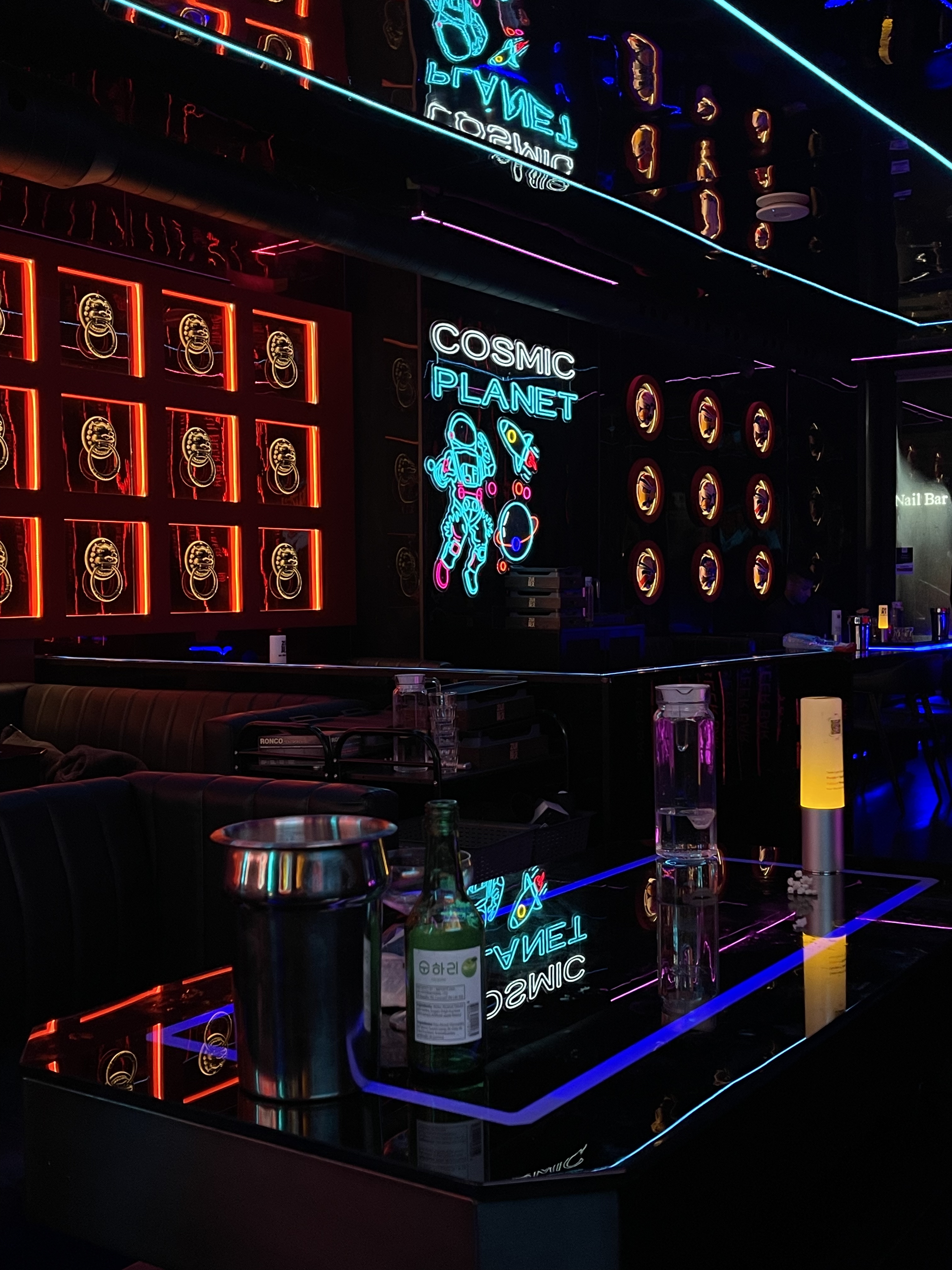
We immediately crossed the street, walked inside, and found this:

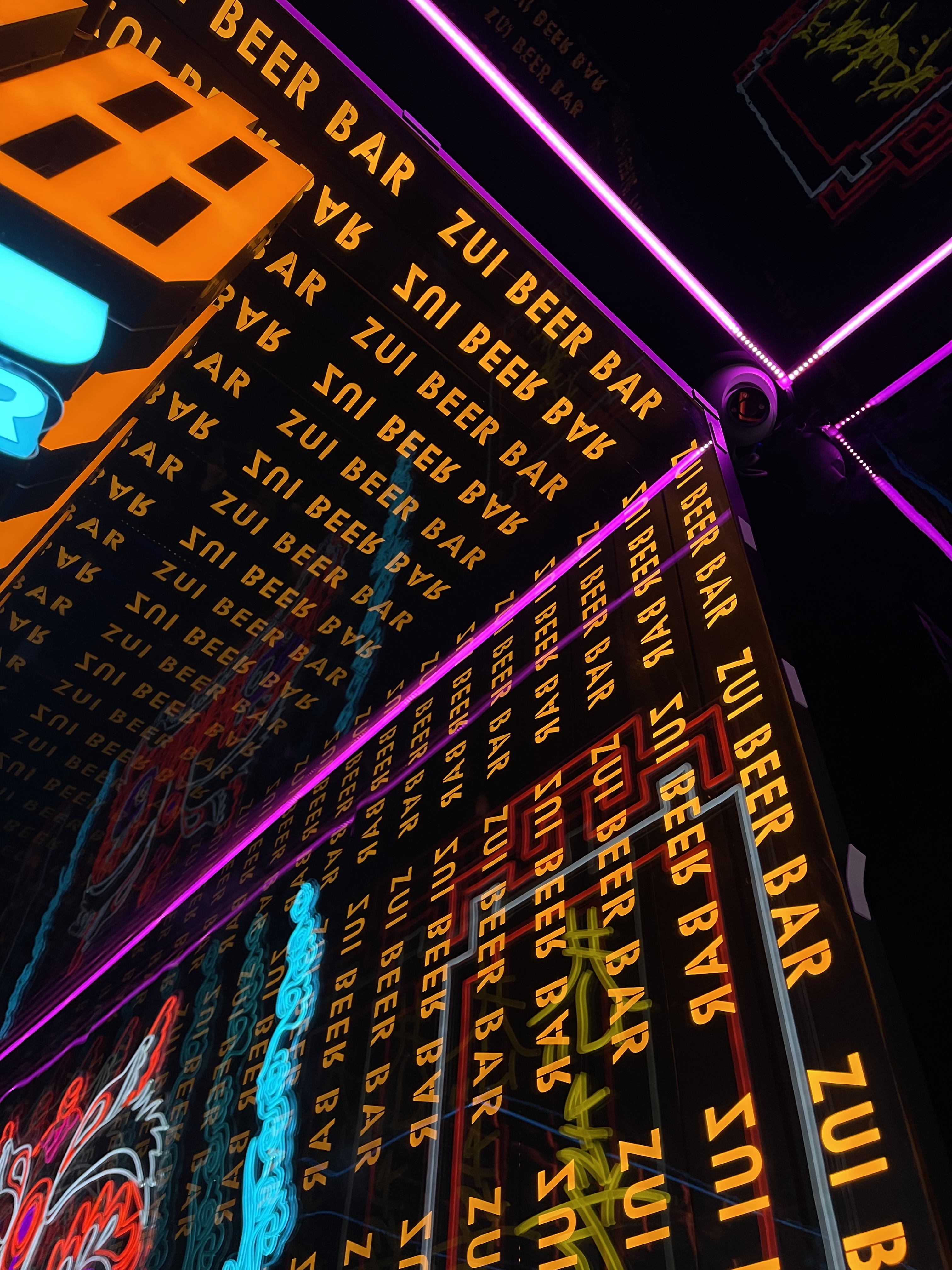
This, it turns out, is a cyberpunk-themed bar called Zui Beer Bar. They have another location at Yonge & Finch, which is arguably now a bigger Koreatown than our older one here on Bloor, and so this is their latest location. It only opened a few weeks ago.

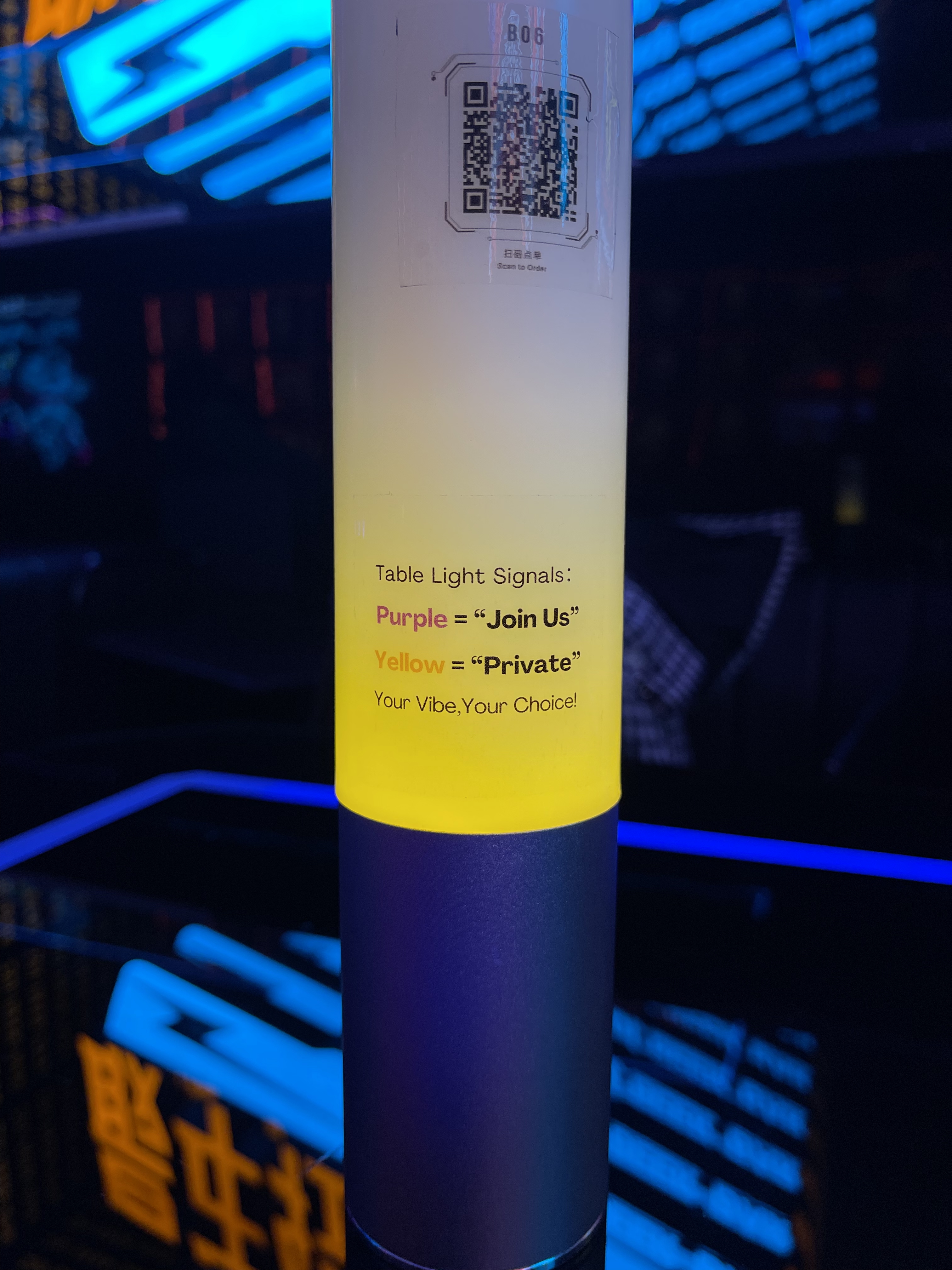
They serve asian street food (which we didn't try since we were full from a wonderful dinner). They're also very obviously trying to create a fun party vibe. On every table is a light. The QR code is how you order things. But there's also the option of alternating the light between yellow and purple. Yellow means you want to be left alone. And purple means, "come join our table." It's a bit like the Grizzly House in Banff where every table has a phone and making cold calls is encouraged.

It's the kind of bar and restaurant that will transport you into a different world. I was imaging that we were in a John Wick movie discussing some sinister plot. And at some point, we were going to get up, tug on one of the infinity neon art pieces, and then be led down a secret passage to people of questionable moral fiber. That never happened, but we loved the music and we loved that the owners just went for it.

At the very least, it will make you feel like you're in some futuristic Asian city. The kind that would have LED dragons animating across their downtown office towers.


Sent via Paragraph

Web3 writing & publishing

2010 El Camino Real Office 2350

Santa Clara, CA 95050

You're receiving this because you subscribed to this newsletter.

Unsubscribe or Manage Preferences

Sunday, 29 December 2024

The world's largest collection of black sheep

I've only been to Berlin once. It was for a long weekend in 2007; one where my friend Alex Feldman and I grossly underestimated the required travel and ended up not sleeping very much. But it was awesome. I loved the city. So much in fact that the two of us ended up enrolling in a basic German class once we got back to Philadelphia. I, of course, remember almost nothing from this class, but I can say apfelstrudel with a surprising degree of convincingness, provided there are no follow-up ques...  ‌ ‌ ‌ ‌ ‌ ‌ ‌ ‌ ‌ ‌ ‌ ‌ ‌ ‌ ‌ ‌ ‌ ‌ ‌ ‌ ‌ ‌ ‌ ‌ ‌  ‌ ‌ ‌ ‌ ‌ ‌ ‌ ‌ ‌ ‌ ‌ ‌ ‌ ‌ ‌ ‌ ‌ ‌ ‌ ‌ ‌ ‌ ‌ ‌ ‌  ‌ ‌ ‌ ‌ ‌ ‌ ‌ ‌ ‌ ‌ ‌ ‌ ‌ ‌ ‌ ‌ ‌ ‌ ‌ ‌ ‌ ‌ ‌ ‌ ‌  ‌ ‌ ‌ ‌ ‌ ‌ ‌ ‌ ‌ ‌ ‌ ‌ ‌ ‌ ‌ ‌ ‌ ‌ ‌ ‌ ‌ ‌ ‌ ‌ ‌  ‌ ‌ ‌ ‌ ‌ ‌ ‌ ‌ ‌ ‌ ‌ ‌ ‌ ‌ ‌ ‌ ‌ ‌ ‌ ‌ ‌ ‌ ‌ ‌ ‌  ‌ ‌ ‌ ‌ ‌ ‌ ‌ ‌ ‌ ‌ ‌ ‌ ‌ ‌ ‌ ‌ ‌ ‌ ‌ ‌ ‌ ‌ ‌ ‌ ‌ 

The world's largest collection of black sheep

Brandon Donnelly

I've only been to Berlin once. It was for a long weekend in 2007; one where my friend Alex Feldman and I grossly underestimated the required travel and ended up not sleeping very much. But it was awesome. I loved the city. So much in fact that the two of us ended up enrolling in a basic German class once we got back to Philadelphia. I, of course, remember almost nothing from this class, but I can say apfelstrudel with a surprising degree of convincingness, provided there are no follow-up questions.

One of the ingredients that, I think, made Berlin what it is today is that, at one point, it had a lot of empty buildings. As many of you know, these under-utilized assets ended up becoming a breeding ground for creativity and, more specifically, techno music. It's a perfect example of Jane Jacobs' mantra that new ideas required old buildings. This overall creative energy is also what gave Berlin the slogan, "poor but sexy." What the city lacked in wealth, it made up for in spades with coolness and creativity.

But that was then. Eventually the buildings filled up, the city got richer, the secret got out, and things started getting more expensive. In the span of a decade, Berlin saw its average apartment rents double. Which is why in 2020, the city approved a five-year rent freeze for the 1.5 million or so flats that were constructed before 2014. Eventually this freeze was deemed unconstitutional, but it didn't change the fact that the city was clearly becoming less poor and -- arguably -- less sexy.

Or maybe not. Guy Chazan -- who is FT's departing correspondent in Berlin, just wrote this in a recent opinion piece:

Despite everything it is still, in the words of one Irish friend of mine who has lived here for more than two decades, the world's "largest collection of black sheep". It is a sanctuary for renegades and misfits of all persuasions, who benignly coexist with their more bourgeois Bürger neighbours. Despite the rising cost of living here, it still seems to be full of creative people doing God knows what but always looking like they're having the time of their lives.

And as anyone navigating its countless construction sites knows, it's also a place of sheer, unbounded potentiality. As the art critic Karl Scheffler famously wrote in 1910: it is a city that is "damned to keep becoming, and never to be". When I finally board the plane out of here after nearly a decade in this city, it will be that "becoming-ness" I'll miss most.

This to me is an incredible compliment for a city that I barely know, but that he presumably knows quite well. What makes cities truly great is that they're constantly in a state of becoming. In fact, it's exactly how I would describe Toronto. To be, means you've arrived somewhere. It also implies a certain stasis. And that's not what you want when you're a city. You want a constant flow of news ideas and new energy changing things. It makes me happy to know that Berlin, seemingly, hasn't lost this.

Cover photo by Stephan Widua on Unsplash


Sent via Paragraph

Web3 writing & publishing

2010 El Camino Real Office 2350

Santa Clara, CA 95050

You're receiving this because you subscribed to this newsletter.

Unsubscribe or Manage Preferences

Saturday, 28 December 2024

Caffè del Popolo in Córdoba, Argentina

Cities should do what they can to allow the smallest of interventions. What I mean by this is that -- when it comes to our urban environment -- small and granular is usually a good thing. It's why our historic main streets tend to be better urban streets than the ones we are creating today from scratch. They were built at a time when cities were more compact and it was more feasible to build small. Now, intuitively, we know this to be true. It's why planners will encourage things like "fine-g...  ‌ ‌ ‌ ‌ ‌ ‌ ‌ ‌ ‌ ‌ ‌ ‌ ‌ ‌ ‌ ‌ ‌ ‌ ‌ ‌ ‌ ‌ ‌ ‌ ‌  ‌ ‌ ‌ ‌ ‌ ‌ ‌ ‌ ‌ ‌ ‌ ‌ ‌ ‌ ‌ ‌ ‌ ‌ ‌ ‌ ‌ ‌ ‌ ‌ ‌  ‌ ‌ ‌ ‌ ‌ ‌ ‌ ‌ ‌ ‌ ‌ ‌ ‌ ‌ ‌ ‌ ‌ ‌ ‌ ‌ ‌ ‌ ‌ ‌ ‌  ‌ ‌ ‌ ‌ ‌ ‌ ‌ ‌ ‌ ‌ ‌ ‌ ‌ ‌ ‌ ‌ ‌ ‌ ‌ ‌ ‌ ‌ ‌ ‌ ‌  ‌ ‌ ‌ ‌ ‌ ‌ ‌ ‌ ‌ ‌ ‌ ‌ ‌ ‌ ‌ ‌ ‌ ‌ ‌ ‌ ‌ ‌ ‌ ‌ ‌  ‌ ‌ ‌ ‌ ‌ ‌ ‌ ‌ ‌ ‌ ‌ ‌ ‌ ‌ ‌ ‌ ‌ ‌ ‌ ‌ ‌ ‌ ‌ ‌ ‌ 

Caffè del Popolo in Córdoba, Argentina

Brandon Donnelly

Cities should do what they can to allow the smallest of interventions.

What I mean by this is that -- when it comes to our urban environment -- small and granular is usually a good thing. It's why our historic main streets tend to be better urban streets than the ones we are creating today from scratch. They were built at a time when cities were more compact and it was more feasible to build small. Now, intuitively, we know this to be true. It's why planners will encourage things like "fine-grained retail" and impose maximum areas for each CRU (commercial-retail unit). It's to try and recreate how things were done before.

But at the same time, we (as cities) also do lots of things that make it more difficult to go small. Every hurdle means that you need that much bigger of a project in order to make it worth while for a developer or small-business owner. Take for example Toronto's current debate over allowing small-scale retail shops in residential neighborhoods. This is a perfect place for smaller businesses. The rents should be lower than on any major street. But only if we don't erect too many barriers.

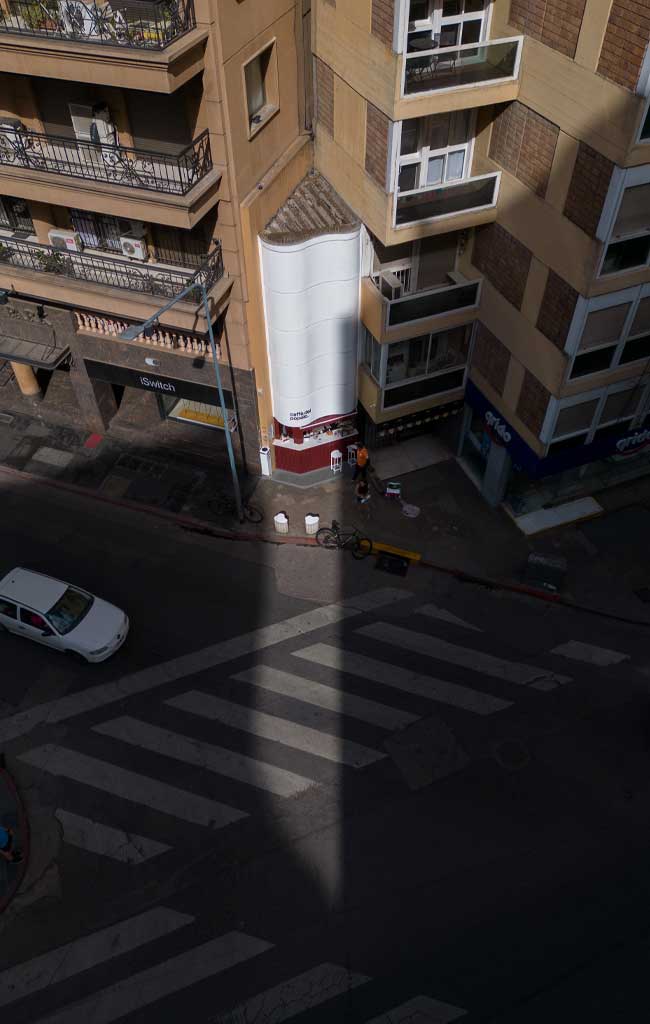
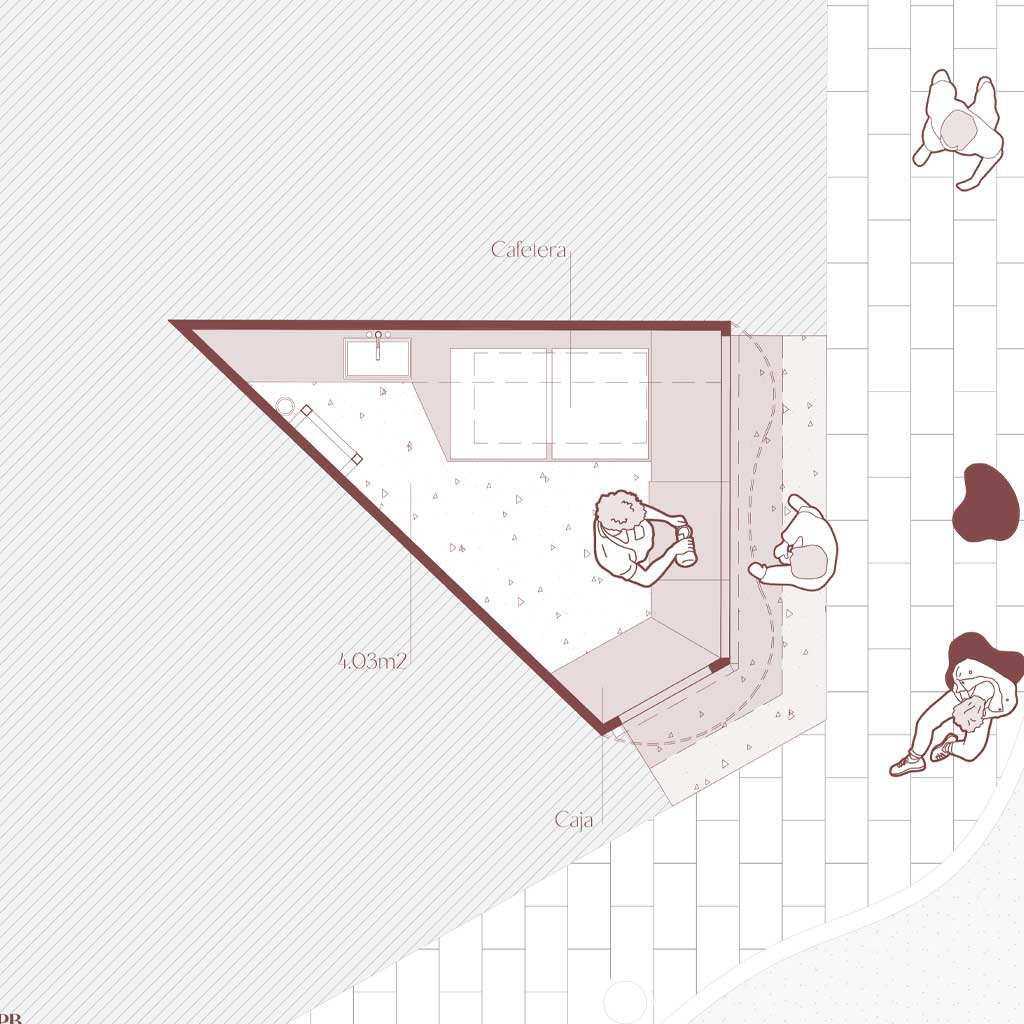
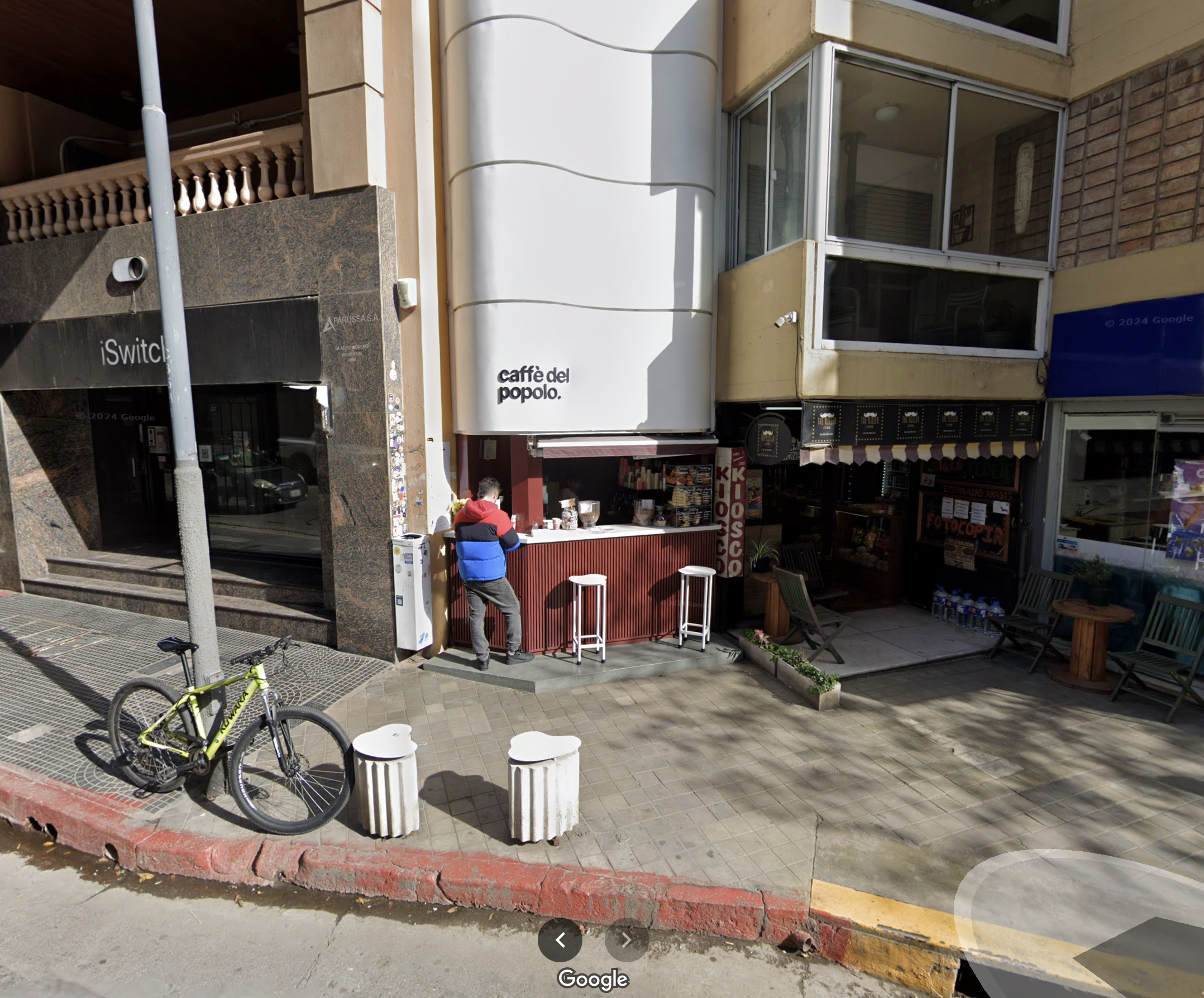
To this end, here's a project and coffee shop in Córdoba, Argentina that I have liked since it was completed back in 2021. Designed by Estudio Rare, which is one of ArchDaily's Best New Practices for this year, the building is situated on a triangular piece of leftover land created by its orthogonal neighbors. The resulting footprint is only about 4 square meters, which is somewhere around half the size of a typical Toronto condominium bedroom. So it's the kind of "site" that could have been easily forgotten and left to collect garbage. And yet, the architect, client, and operator made something work.

Here's the ground floor plan:

And here's a street view image from May 2024:

Now, I don't know what hurdles the project team had to jump through to build and operate this coffee shop. Maybe there were very few or maybe there were many. If any of you are from Argentina and familiar with the planning landscape, maybe you can let me know. But for the purposes of this post, it doesn't really matter. The simple point is that these kind of small-scale developments are a positive thing for cities. It doesn't matter that the footprint is only half the size of a small bedroom. It's a place to stop for coffee and a place to linger on the street with others.

Images via Estudio Rare


Sent via Paragraph

Web3 writing & publishing

2010 El Camino Real Office 2350

Santa Clara, CA 95050

You're receiving this because you subscribed to this newsletter.

Unsubscribe or Manage Preferences

Friday, 27 December 2024

Two downturns

I have been through two major downturns in my real estate career. The first was the 2007-2008 financial crisis. And the second is what's happening right now. Right before the first one, I was working for a small real estate developer/consultancy in Dublin and, let me tell you, it was an exuberant time. Ireland was at what ended up being the tale end of its "Celtic Tiger" and everything was possible. One of the projects I was working on was the proposed U2 Tower at the mouth of the River Liffe...  ‌ ‌ ‌ ‌ ‌ ‌ ‌ ‌ ‌ ‌ ‌ ‌ ‌ ‌ ‌ ‌ ‌ ‌ ‌ ‌ ‌ ‌ ‌ ‌ ‌  ‌ ‌ ‌ ‌ ‌ ‌ ‌ ‌ ‌ ‌ ‌ ‌ ‌ ‌ ‌ ‌ ‌ ‌ ‌ ‌ ‌ ‌ ‌ ‌ ‌  ‌ ‌ ‌ ‌ ‌ ‌ ‌ ‌ ‌ ‌ ‌ ‌ ‌ ‌ ‌ ‌ ‌ ‌ ‌ ‌ ‌ ‌ ‌ ‌ ‌  ‌ ‌ ‌ ‌ ‌ ‌ ‌ ‌ ‌ ‌ ‌ ‌ ‌ ‌ ‌ ‌ ‌ ‌ ‌ ‌ ‌ ‌ ‌ ‌ ‌  ‌ ‌ ‌ ‌ ‌ ‌ ‌ ‌ ‌ ‌ ‌ ‌ ‌ ‌ ‌ ‌ ‌ ‌ ‌ ‌ ‌ ‌ ‌ ‌ ‌  ‌ ‌ ‌ ‌ ‌ ‌ ‌ ‌ ‌ ‌ ‌ ‌ ‌ ‌ ‌ ‌ ‌ ‌ ‌ ‌ ‌ ‌ ‌ ‌ ‌ 

Two downturns

Brandon Donnelly

I have been through two major downturns in my real estate career. The first was the 2007-2008 financial crisis. And the second is what's happening right now. Right before the first one, I was working for a small real estate developer/consultancy in Dublin and, let me tell you, it was an exuberant time. Ireland was at what ended up being the tale end of its "Celtic Tiger" and everything was possible.

One of the projects I was working on was the proposed U2 Tower at the mouth of the River Liffey in the Docklands area. We were running the international design competition to select an architect and everyone from Foster and Partners to Zaha Hadid was participating. It was going to be the tallest tower on the island of Ireland and in the penthouse was going to be a recording studio for the rock band U2.

But then, the great financial crisis happened and the tower got cancelled. By then, I had returned from the US (where I was finishing grad school) to work in Toronto. The writing was starting to be on the wall, but I managed to get a summer internship for a developer. By fall, shit had hit the fan and they reneged on my full-time offer, citing that the market was just too bad.

In reality, though, things were much worse in the US. I vividly remember developers claiming that it would take decades for development to return to feasibility. That's how bad things felt. In hindsight, this was pivotal timing for me for two reasons. One, it taught me early on in my career just how bad things can get in real estate, and I try to always remember that. And two, it forced me out of the US after graduation.

I had initially planned to stay and work there for a few years, but there were simply no real estate jobs and, if there was one, they weren't going to hire a Canadian with a background in architecture. Who knows where I would have ended up had I stayed. Despite it being my plan, it's possible I may have never returned to Toronto.

During this period, I remember thinking to myself that development is super risky, it shuts off periodically, and so it's a good idea to also own long-term assets with long-term leases, like office buildings. And after returning to Toronto, I ultimately went to work for a company that did both development and that owned office buildings, among other commercial assets.

This seemed like a reasonable approach up until 2020, which is of course when office buildings were negatively impacted by the pandemic. But I don't know how anyone could have predicted this. It was truly a black swan event that had far reaching implications on real estate beyond just office assets.

But here's the thing: I feel lucky with the timing I've had. These are the best times to be starting something. During the first cycle, I was just starting my real estate career and it taught me things. And now, during this current downturn, I'm focused on growing Globizen. It's hard to imagine a better time to find opportunities that the rest of the market may be overlooking or simply can't execute on.


Sent via Paragraph

Web3 writing & publishing

2010 El Camino Real Office 2350

Santa Clara, CA 95050

You're receiving this because you subscribed to this newsletter.

Unsubscribe or Manage Preferences

Thursday, 26 December 2024

We romanticize walkable communities, while choosing to live elsewhere

Tim Hortons is a popular coffee chain in Canada (and elsewhere in the world). And every year, similar to other coffee chains, they adopt special Christmas/holiday cups. In the early 2000s, the designs they used were from an illustrator by the name of Gary Alphonso. His work can be found, over here. Today, his cups and other packaging designs are considered vintage. And so if you search online, I'm sure you can find someone reselling them. Here's what the cups look liked:And here's what this i...  ‌ ‌ ‌ ‌ ‌ ‌ ‌ ‌ ‌ ‌ ‌ ‌ ‌ ‌ ‌ ‌ ‌ ‌ ‌ ‌ ‌ ‌ ‌ ‌ ‌  ‌ ‌ ‌ ‌ ‌ ‌ ‌ ‌ ‌ ‌ ‌ ‌ ‌ ‌ ‌ ‌ ‌ ‌ ‌ ‌ ‌ ‌ ‌ ‌ ‌  ‌ ‌ ‌ ‌ ‌ ‌ ‌ ‌ ‌ ‌ ‌ ‌ ‌ ‌ ‌ ‌ ‌ ‌ ‌ ‌ ‌ ‌ ‌ ‌ ‌  ‌ ‌ ‌ ‌ ‌ ‌ ‌ ‌ ‌ ‌ ‌ ‌ ‌ ‌ ‌ ‌ ‌ ‌ ‌ ‌ ‌ ‌ ‌ ‌ ‌  ‌ ‌ ‌ ‌ ‌ ‌ ‌ ‌ ‌ ‌ ‌ ‌ ‌ ‌ ‌ ‌ ‌ ‌ ‌ ‌ ‌ ‌ ‌ ‌ ‌  ‌ ‌ ‌ ‌ ‌ ‌ ‌ ‌ ‌ ‌ ‌ ‌ ‌ ‌ ‌ ‌ ‌ ‌ ‌ ‌ ‌ ‌ ‌ ‌ ‌ 

We romanticize walkable communities, while choosing to live elsewhere

Brandon Donnelly

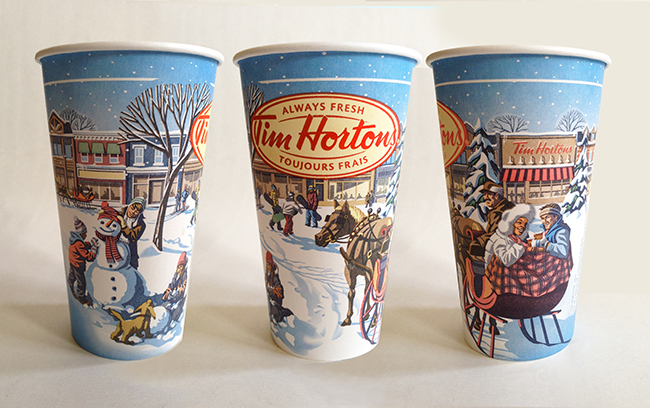
Tim Hortons is a popular coffee chain in Canada (and elsewhere in the world). And every year, similar to other coffee chains, they adopt special Christmas/holiday cups. In the early 2000s, the designs they used were from an illustrator by the name of Gary Alphonso. His work can be found, over here. Today, his cups and other packaging designs are considered vintage. And so if you search online, I'm sure you can find someone reselling them.

Here's what the cups look liked:

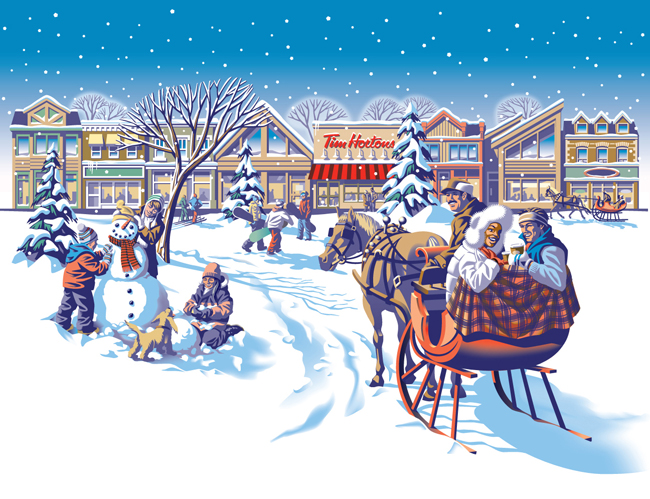
And here's what this illustration looks like unrolled:

It's a romantic notion of winter. There's kids making a snowman. People skiing and walking with snowboards. People drinking beverages (presumably from the nearby Tim Hortons) while being pulled on horse-drawn sleighs in a large public space. And in the background, there's a mixed-used main street with Tim Hortons naturally at the center of it. It's a kind of ideal winter moment. But to what extent is this a fantasy?

According to the 2021 Canadian Census, approximately 78.4% of the Canadian population living in our 11 largest CMAs (census metropolitan areas) lived in a suburb. Only about 21.6% lived in an urban core (either a downtown or an inner ring). So for the majority of Canadians, it is statistically probable that this an uncommon winter scene (never mind, for a second, the horses and stuff). A more likely scenario might be a suburban Tim Hortons with a drive-thru window.

I find this ironic. I find it ironic that the places we yearn to visit on vacation and the places we romanticize on coffee cups tend to be different than the ones that the majority of Canadians choose to live in. In fact, if you ask people across North America (this is a survey covering the US), the majority often say that they would prefer to live in a community where the houses are further apart and where you need to travel/drive to things.

Is it because we all just like fantasies on our coffee cups, or could it be that we've simply forgotten how to build walkable mixed-use communities?

Images by Gary Alphonso via i2i Art


Sent via Paragraph

Web3 writing & publishing

2010 El Camino Real Office 2350

Santa Clara, CA 95050

You're receiving this because you subscribed to this newsletter.

Unsubscribe or Manage Preferences

Wednesday, 25 December 2024

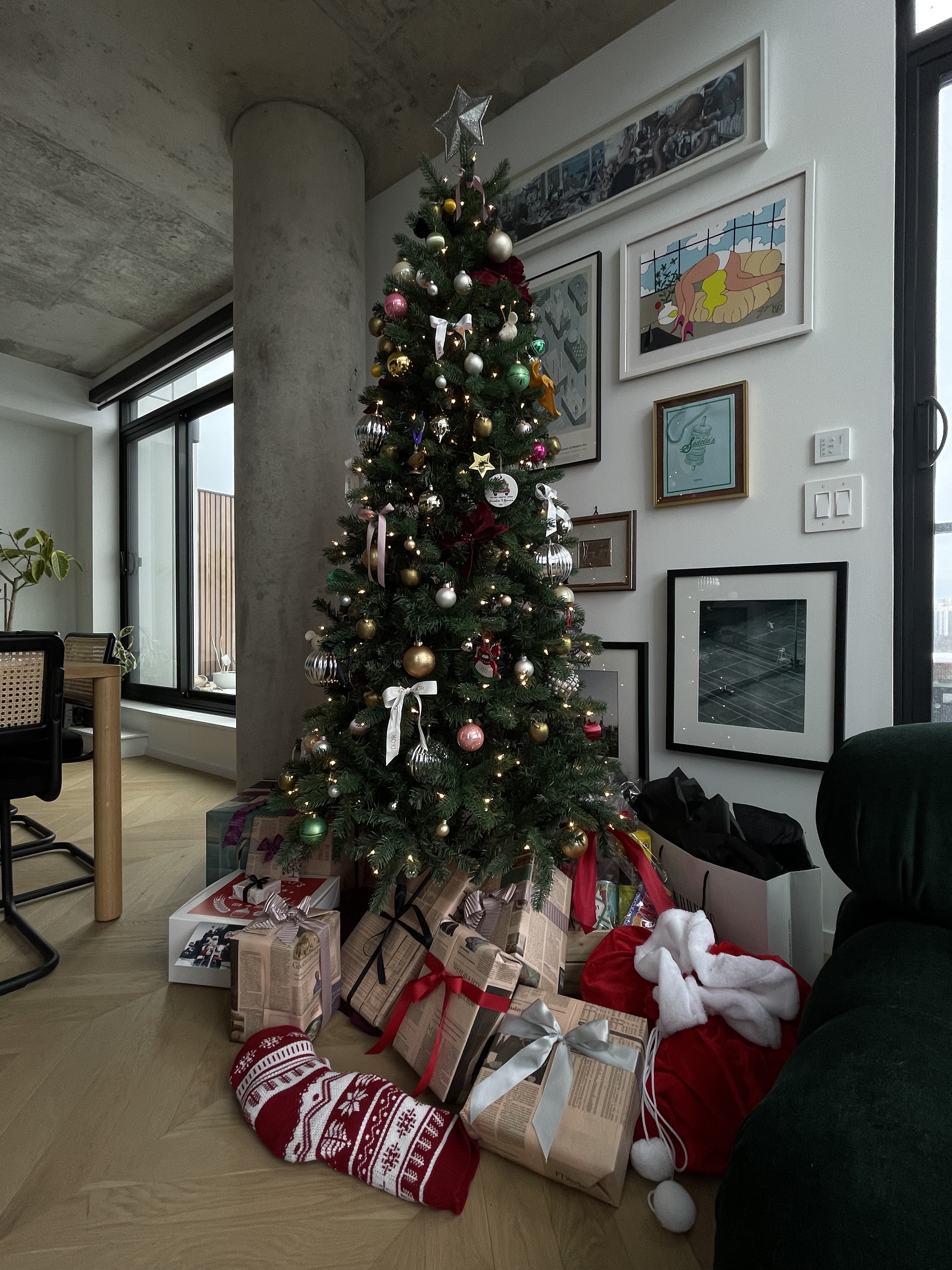
Merry Christmas

The years seem to only go by faster. December, in particular, is always a hectic month with social commitments. There never seems to be enough time. Then, all of a sudden, everything stops. Billions of people around the world slow down and unplug for the holidays. I'm the kind of person who is allergic to free time. I always want to be doing and accomplishing something, and that has consequences every now and then where I run out of steam. So Christmas is a good time for me in multiple ways. ...  ‌ ‌ ‌ ‌ ‌ ‌ ‌ ‌ ‌ ‌ ‌ ‌ ‌ ‌ ‌ ‌ ‌ ‌ ‌ ‌ ‌ ‌ ‌ ‌ ‌  ‌ ‌ ‌ ‌ ‌ ‌ ‌ ‌ ‌ ‌ ‌ ‌ ‌ ‌ ‌ ‌ ‌ ‌ ‌ ‌ ‌ ‌ ‌ ‌ ‌  ‌ ‌ ‌ ‌ ‌ ‌ ‌ ‌ ‌ ‌ ‌ ‌ ‌ ‌ ‌ ‌ ‌ ‌ ‌ ‌ ‌ ‌ ‌ ‌ ‌  ‌ ‌ ‌ ‌ ‌ ‌ ‌ ‌ ‌ ‌ ‌ ‌ ‌ ‌ ‌ ‌ ‌ ‌ ‌ ‌ ‌ ‌ ‌ ‌ ‌  ‌ ‌ ‌ ‌ ‌ ‌ ‌ ‌ ‌ ‌ ‌ ‌ ‌ ‌ ‌ ‌ ‌ ‌ ‌ ‌ ‌ ‌ ‌ ‌ ‌  ‌ ‌ ‌ ‌ ‌ ‌ ‌ ‌ ‌ ‌ ‌ ‌ ‌ ‌ ‌ ‌ ‌ ‌ ‌ ‌ ‌ ‌ ‌ ‌ ‌ 

Merry Christmas

Brandon Donnelly

The years seem to only go by faster. December, in particular, is always a hectic month with social commitments. There never seems to be enough time. Then, all of a sudden, everything stops. Billions of people around the world slow down and unplug for the holidays. I'm the kind of person who is allergic to free time. I always want to be doing and accomplishing something, and that has consequences every now and then where I run out of steam. So Christmas is a good time for me in multiple ways.

It's been an eventful year. I left Slate to focus 100% on Globizen. Bianca and I got married in the summer, and then travelled around the mediterranean for a few weeks in August. One Delisle progressed substantially (we poured the level 10 slab right before the holidays). Project Bench received its zoning approvals. We completed Parkview Mountain House in Park City (bookings are now open). And we also laid the groundwork for a bunch of new projects and real estate strategies that I'm really excited about for 2025.

But until then, I'm going to enjoy celebrating Christmas and the holiday season. I'm highly suspect of any religion created by people (I guess that's all of them), but I do love celebrating Christmas and I do appreciate my upbringing more and more the older I get. Bianca and I went to church when we were in Mallorca in the summer and, even though we understood exactly 0% of the mass and it was a sauna inside the cathedral, we both enjoyed it. Later today, I'll be going to church with my mom.

I don't love the shopping part of Christmas -- it can be stressful. A simpler Christmas is probably better. I come back to something that Justin Welsh recently said about modern luxury. He defined it as the ability to "think clearly, sleep deeply, move slowly, and live quietly in a world designed to prevent all four." These are likely good things to focus on at this time of year with your closest family and friends. Merry Christmas and happy holidays, everyone.


Sent via Paragraph

Web3 writing & publishing

2010 El Camino Real Office 2350

Santa Clara, CA 95050

You're receiving this because you subscribed to this newsletter.

Unsubscribe or Manage Preferences

The case for elevated rail

There is a school of thought that elevated rail is bad, or at least suboptimal, for cities. The thinking is that it's a visual blight, i...