There is a school of thought that elevated rail is bad, or at least suboptimal, for cities. The thinking is that it's a visual blight, it's noisy, it disconnects neighbourhoods, and it can even reduce surrounding real estate values. Having a train passing directly in front of your window is admittedly less ideal than not having a train passing directly in front of your window.
But there is no shortage of examples from around the world where elevated rail does far more to benefit a community than detract from it. Tokyo is perhaps the obvious place to look. It is decidedly rail-oriented city with the majority of its network above ground and countless examples of active commercial spaces being tucked under and adjacent to elevated rail.
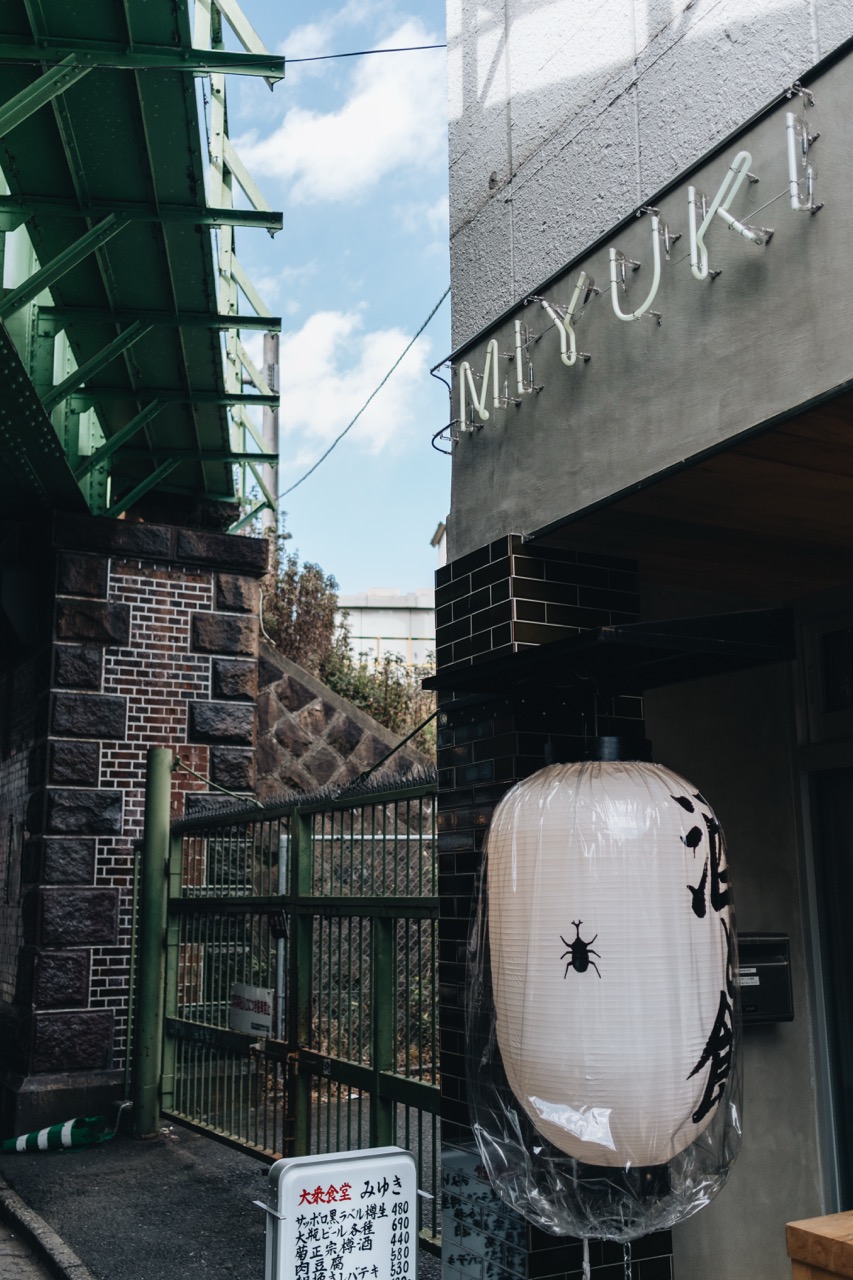
Here, for example, is a restaurant that I visited on my last trip and that was immediately adjacent to a track:
But you don't have to travel all the way to Japan to find examples where elevated rail does little to detract from the urban experience. Here's Marine Drive station in Vancouver, integrated into a newish development:
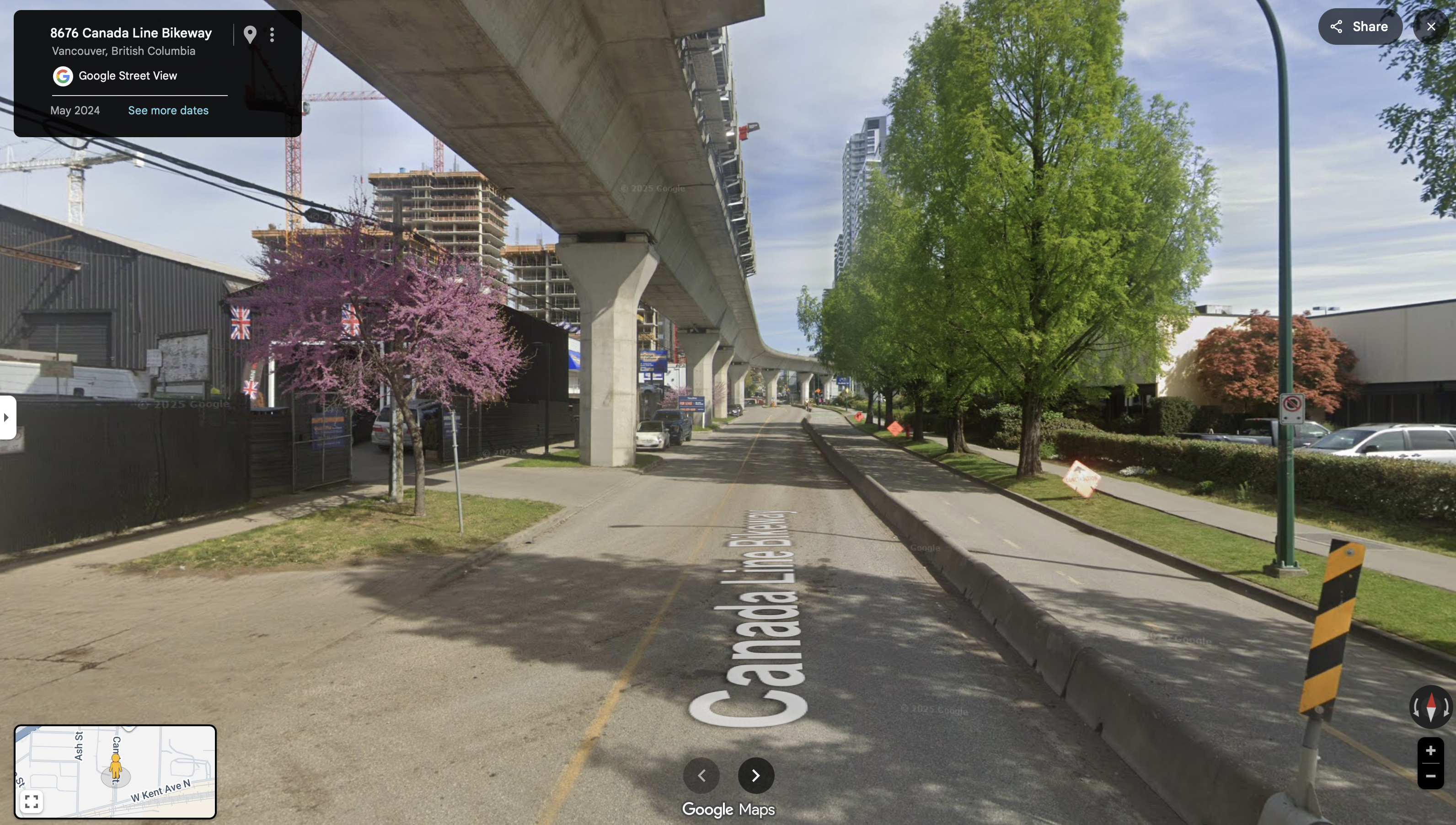
And here's what the elevated guideway looks like as it heads toward the station:
The obvious advantage of elevated rail is that it's significantly cheaper than underground rail. According to global data collected by the Transit Costs Project at New York University, underground rail tends to be at least 2x the cost — often it's even more. Are the benefits worth this additional cost, and is it worth building less overall transit with the same capital budget?
Elevated rail is not without its drawbacks, but good design and urban sensibilities can help to mitigate many of them. As is the case with a lot of urban design, what matters most is how we treat the ground plane underneath the rail. So, to the extent that it remains out there, I think it's time we get rid of any stigmas associated with elevated rail. More transit is better than less transit.






No comments:
Post a Comment