Sunday, 31 August 2025

Visiting Le Renzo

Yesterday morning, we did a day trip to Monaco. The main thing I wanted to see was Le Renzo (which is a project I have written about before). Designed by Renzo Piano Building Workshop, it is among the most expensive residential buildings in the world. Condominiums have reportedly sold for as high as €120,000 per square meter (or about €11,148 per square foot). It was also built entirely on reclaimed land. Before the trip, I emailed the district's PR contact to see if we could get a tour insid...  ‌ ‌ ‌ ‌ ‌ ‌ ‌ ‌ ‌ ‌ ‌ ‌ ‌ ‌ ‌ ‌ ‌ ‌ ‌ ‌ ‌ ‌ ‌ ‌ ‌  ‌ ‌ ‌ ‌ ‌ ‌ ‌ ‌ ‌ ‌ ‌ ‌ ‌ ‌ ‌ ‌ ‌ ‌ ‌ ‌ ‌ ‌ ‌ ‌ ‌  ‌ ‌ ‌ ‌ ‌ ‌ ‌ ‌ ‌ ‌ ‌ ‌ ‌ ‌ ‌ ‌ ‌ ‌ ‌ ‌ ‌ ‌ ‌ ‌ ‌  ‌ ‌ ‌ ‌ ‌ ‌ ‌ ‌ ‌ ‌ ‌ ‌ ‌ ‌ ‌ ‌ ‌ ‌ ‌ ‌ ‌ ‌ ‌ ‌ ‌  ‌ ‌ ‌ ‌ ‌ ‌ ‌ ‌ ‌ ‌ ‌ ‌ ‌ ‌ ‌ ‌ ‌ ‌ ‌ ‌ ‌ ‌ ‌ ‌ ‌  ‌ ‌ ‌ ‌ ‌ ‌ ‌ ‌ ‌ ‌ ‌ ‌ ‌ ‌ ‌ ‌ ‌ ‌ ‌ ‌ ‌ ‌ ‌ ‌ ‌ 

Visiting Le Renzo

Brandon Donnelly

Yesterday morning, we did a day trip to Monaco. The main thing I wanted to see was Le Renzo (which is a project I have written about before). Designed by Renzo Piano Building Workshop, it is among the most expensive residential buildings in the world. Condominiums have reportedly sold for as high as €120,000 per square meter (or about €11,148 per square foot).

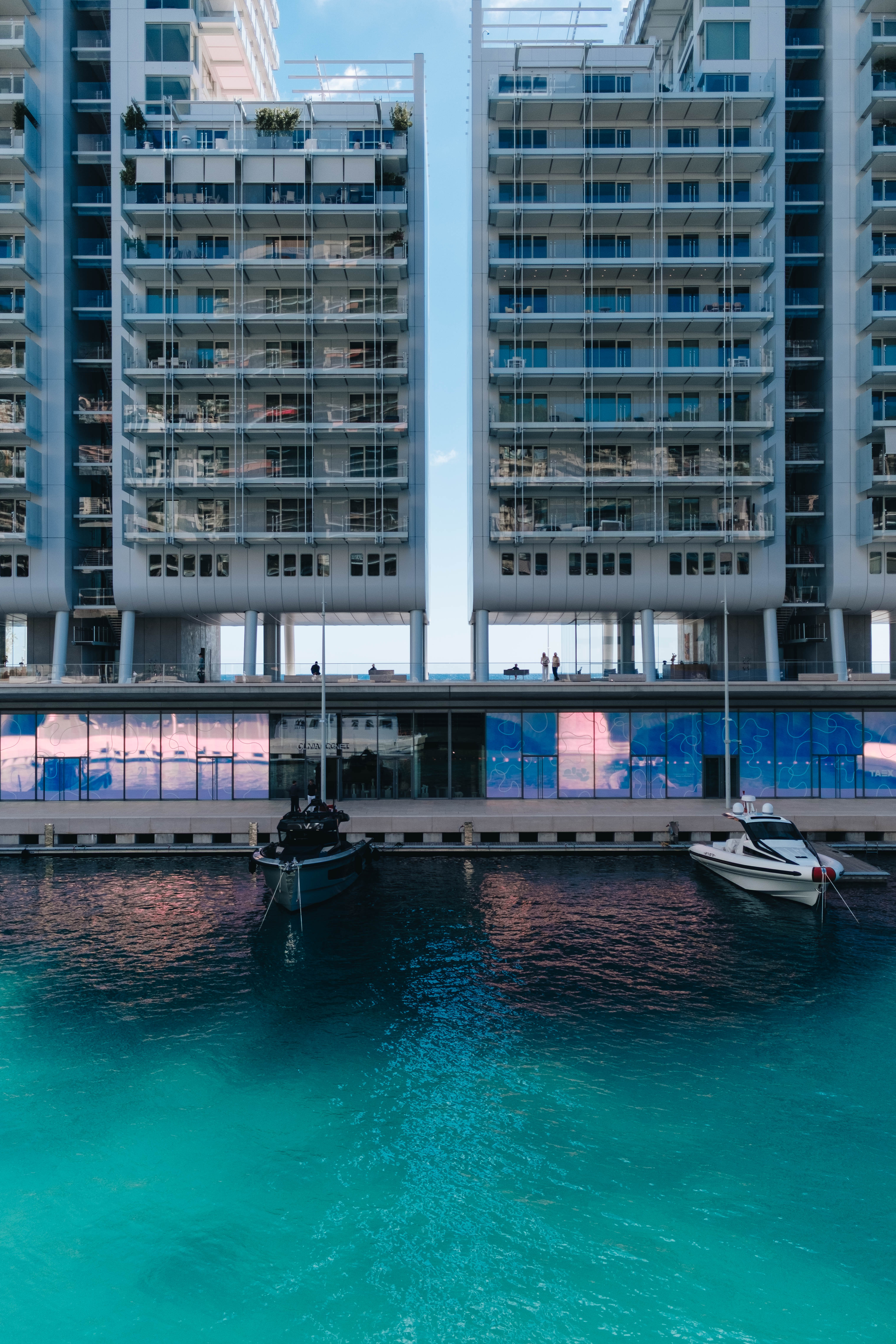
Before the trip, I emailed the district's PR contact to see if we could get a tour inside. Unfortunately, it's August in Europe, and they told me that nobody from the development team would be around to take us through. So we ended up just walking the perimeter. Here is a photo of the project's north elevation, facing inland.
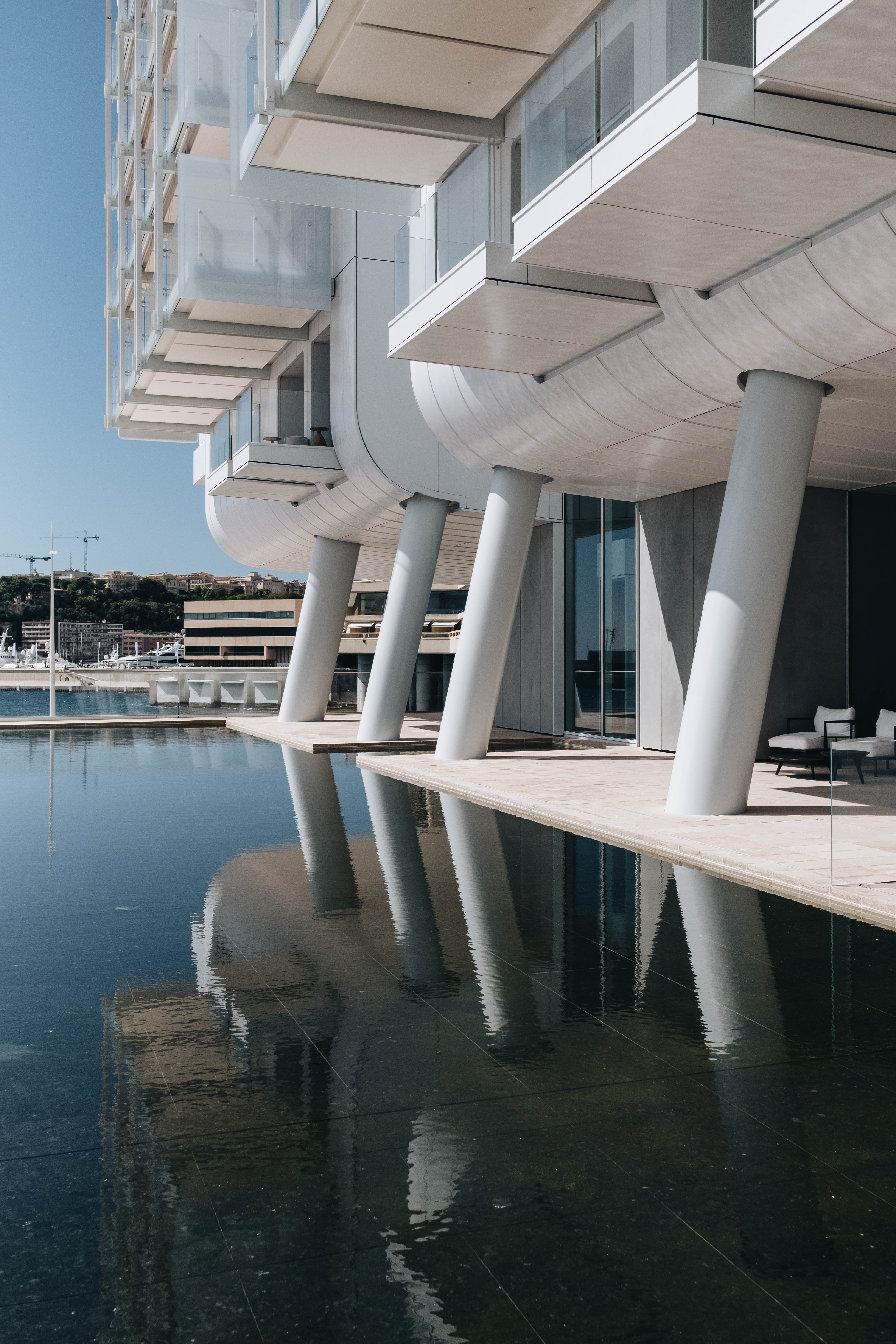
Here's the south side facing the sea:
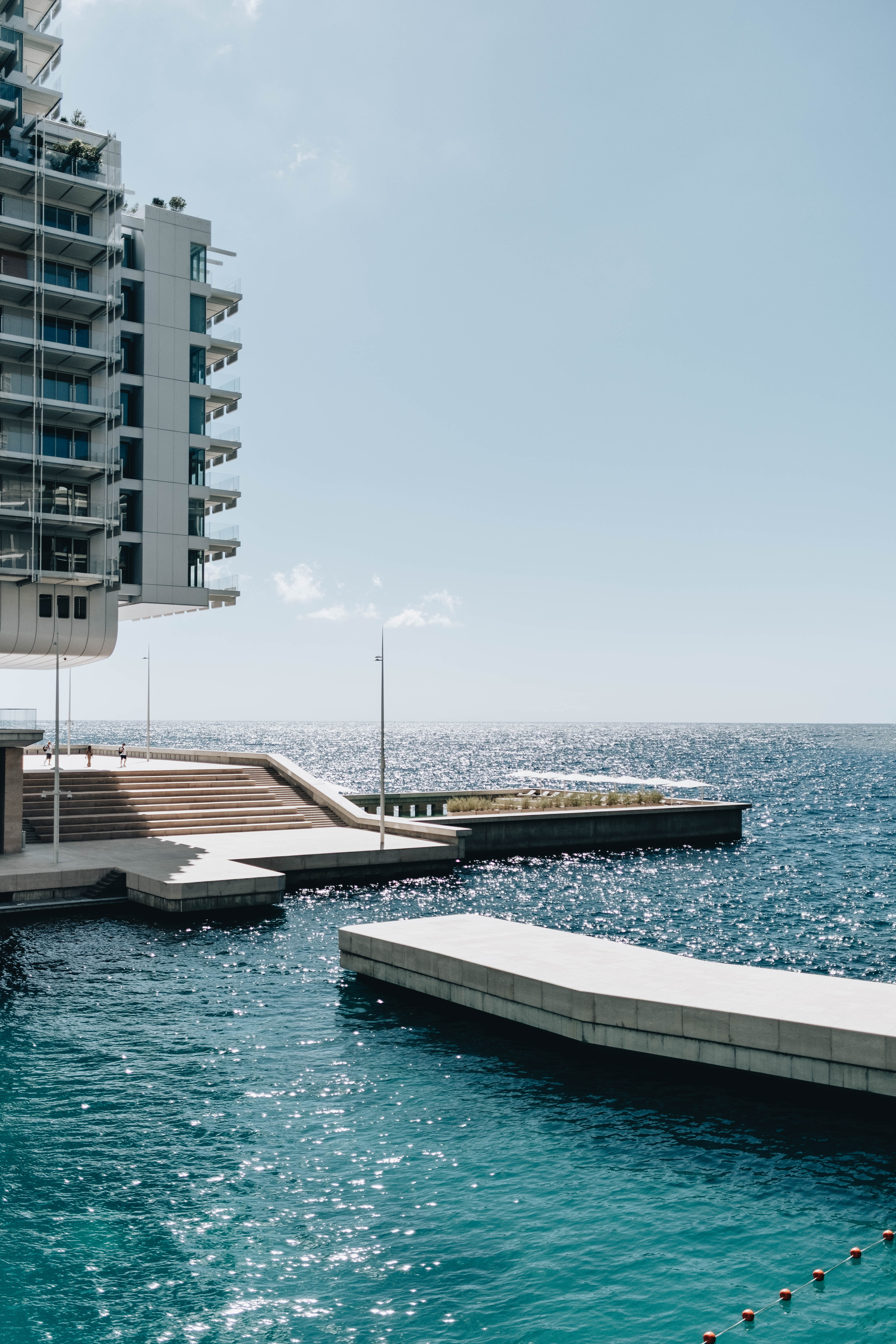
And here's a photo of its western edge, including the building's outdoor pool amenity:
The -1 level is boat slips and retail, some of which are still in the process of opening. The fact that they placed the retail where they did stood out to me, because it feels akin to second-floor retail — meaning, it only works in certain places and under certain conditions. Maybe this is one of them.

The ground plane — or at least the level that connects inland — is visually open on all sides, except for the elevator cores and exit stairs coming down from the buildings. This gives you a clear view of the Mediterranean as you approach the district and makes the entire area feel publicly accessible. It's also meant to evoke the image of ships sitting in a dry dock.

We didn't stay in Monaco very long, but this project was the highlight for me. I would have really loved the opportunity to tour inside and get closer to its details.

Leaving Monaco requires some maneuvering if you didn't drive or take the train (which we didn't). Uber is banned within the principality. You can get dropped off in an Uber, but you can't request a car once you're there. This is what you'll see if you open up the app and try:
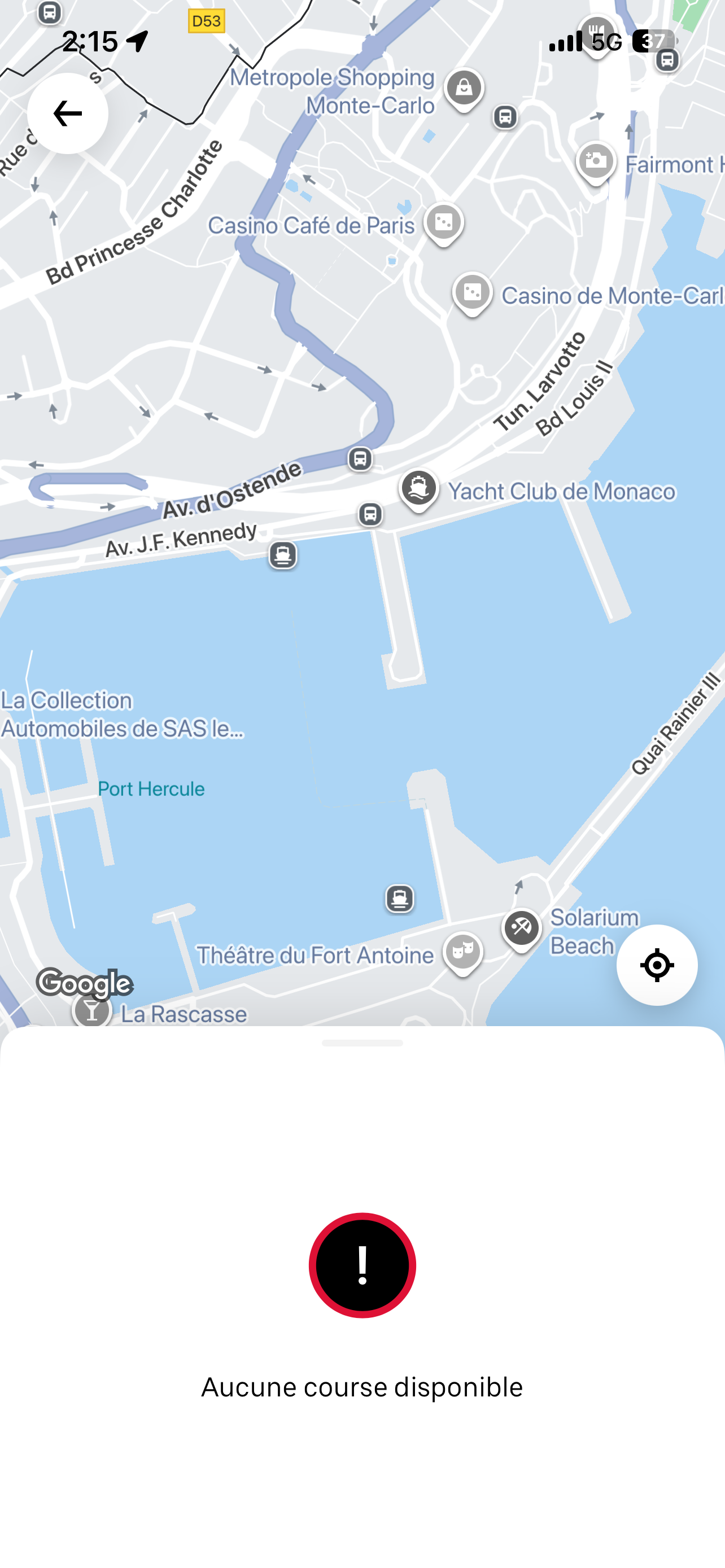
We were also told that they're very strict about this. If, for example, you get dropped off in an Uber and then try to go off-app for your return, the Uber driver runs the risk of a heavy fine and having their car confiscated for a week. So many drivers don't want to do this unless you're willing to compensate them for the risk.

What you instead need to do is walk to the Monaco-France border, which usually isn't far given the country has a total land area of around 2 square kilometers. As soon as the GPS on your phone signals that you're in France rather than Monaco, cars reappear in the app. And from my experience, the geofencing is accurate within a few meters. It was pretty neat.

In the future, I think a better option might be to road bike over. I saw a number of people doing that yesterday and, boy, it looked like fun.



Sent via Paragraph

Web3 writing & publishing

2010 El Camino Real Office 2350

Santa Clara, CA 95050

You're receiving this because you subscribed to this newsletter.

Unsubscribe or Manage Preferences

Saturday, 30 August 2025

Summer isn't over yet

Traveling is one of my favorite things in life. But sometimes the process of getting to where you want to go can be suboptimal. Thursday was one of those days. Bianca and I were flying Air France to Paris and then had a connection to the south. But about 5 hours into our flight, they shut off all the TVs and informed us that, due to a technical issue with the plane, we'd be making an emergency landing in either Dublin or Brest (in northwest France). The technical issue was an unidentified bur...  ‌ ‌ ‌ ‌ ‌ ‌ ‌ ‌ ‌ ‌ ‌ ‌ ‌ ‌ ‌ ‌ ‌ ‌ ‌ ‌ ‌ ‌ ‌ ‌ ‌  ‌ ‌ ‌ ‌ ‌ ‌ ‌ ‌ ‌ ‌ ‌ ‌ ‌ ‌ ‌ ‌ ‌ ‌ ‌ ‌ ‌ ‌ ‌ ‌ ‌  ‌ ‌ ‌ ‌ ‌ ‌ ‌ ‌ ‌ ‌ ‌ ‌ ‌ ‌ ‌ ‌ ‌ ‌ ‌ ‌ ‌ ‌ ‌ ‌ ‌  ‌ ‌ ‌ ‌ ‌ ‌ ‌ ‌ ‌ ‌ ‌ ‌ ‌ ‌ ‌ ‌ ‌ ‌ ‌ ‌ ‌ ‌ ‌ ‌ ‌  ‌ ‌ ‌ ‌ ‌ ‌ ‌ ‌ ‌ ‌ ‌ ‌ ‌ ‌ ‌ ‌ ‌ ‌ ‌ ‌ ‌ ‌ ‌ ‌ ‌  ‌ ‌ ‌ ‌ ‌ ‌ ‌ ‌ ‌ ‌ ‌ ‌ ‌ ‌ ‌ ‌ ‌ ‌ ‌ ‌ ‌ ‌ ‌ ‌ ‌ 

Summer isn't over yet

Brandon Donnelly

Traveling is one of my favorite things in life. But sometimes the process of getting to where you want to go can be suboptimal. Thursday was one of those days. Bianca and I were flying Air France to Paris and then had a connection to the south. But about 5 hours into our flight, they shut off all the TVs and informed us that, due to a technical issue with the plane, we'd be making an emergency landing in either Dublin or Brest (in northwest France). The technical issue was an unidentified burning smell.

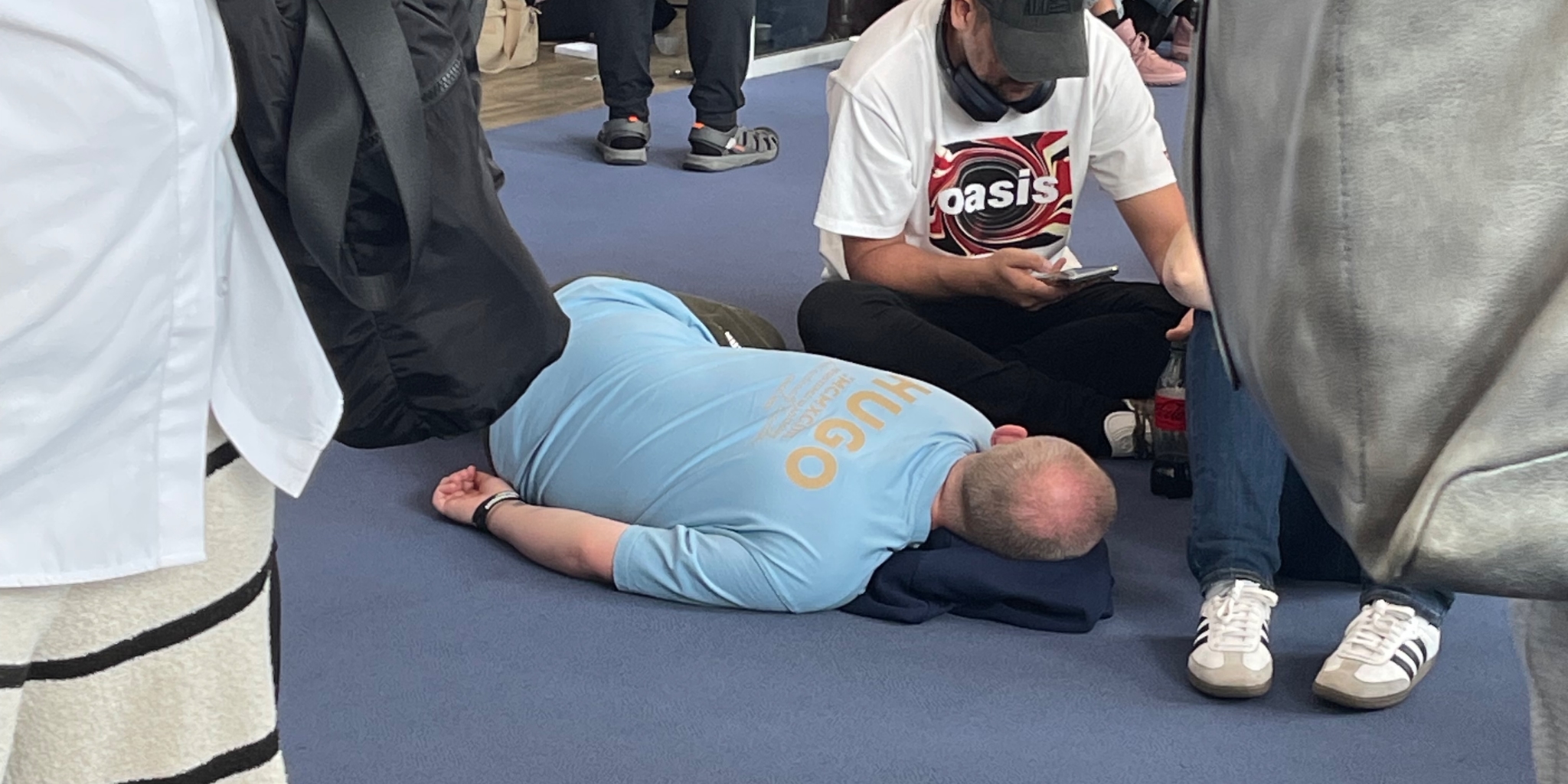
We ended up at Brest Bretagne Airport and got the opportunity to explore this small and almost food-less airport for about 10 hours. For some reason, they had to split our flight into two planes. So what Air France did was fly a special plane to Brest to pick up and fly group number one to Paris, fly it back to Brest to pick up group number two, and then return to Paris. We were in group number two. By the time we arrived in Paris it was close to midnight local time and we had, naturally, missed our connection a long time ago.

Air France was great, though. They set us up in a nice hotel (Pullman by Accor), gave us boxed dinners, toiletry bags, and complimentary Air France t-shirts, and scheduled us on a new flight first thing in the morning. But then, airport staff found an unidentified bag at Charles de Gaulle. So naturally, the airport went into lockdown. I later learned that when situations like this happen, and they can't figure out who the bag belongs to, they will often use something known as a water cannon disruptor to neutralize what could be a bomb.

As I understand it, the way it works is it shoots out a high-velocity jet of water that rips through the bag and any possible wires and switches before they have time to detonate any explosives. Most of the time it's just a bag that somebody carelessly forgot at the airport, but you never know. Safety first. Apparently this happens relatively often at large airports like CDG.

Once that safety protocol was complete, and the bang of the cannon had gone off, we were on our way, only to discover that we had already missed the last airport train. So the final leg of our journey to Paris ended up being us splitting an Uber with a nice French woman who was just in Toronto visiting a host family that she lived with to learn English. That was our travel "day."

But now that the traveling part is over, it's time for the fun bits. So, what can you expect on this blog?

As usual, I'll be posting daily. But expect more travel-related content and photoblogs. The laser distance measuring of impossibly narrow streets. Gratuitous posts about European-style urbanism. A comprehensive review of the "aparthotel" we booked in Paris (which also happens to be a real estate asset class that I'm increasingly interested in). And likely some takeaways from the meetings I have scheduled with French architects and developers.

Enjoy the long weekend, everyone.

Cover photo taken at Brest Bretagne Airport during our 10-hour layover


Sent via Paragraph

Web3 writing & publishing

2010 El Camino Real Office 2350

Santa Clara, CA 95050

You're receiving this because you subscribed to this newsletter.

Unsubscribe or Manage Preferences

Friday, 29 August 2025

Are fractional vacation homes a good investment?

Pacaso, which is a relatively new (2020) co-ownership vacation home company, has been making the rounds online lately. That's because the founders are accomplished, they've reserved their Nasdaq ticker, and they're raising money from retail investors through their website. Fractional ownership is a topic we've discussed a number of times on the blog. And as I've said before, I think it's an answer to this real estate problem: "I have a desire to own a home, or multiple homes, around the world...  ‌ ‌ ‌ ‌ ‌ ‌ ‌ ‌ ‌ ‌ ‌ ‌ ‌ ‌ ‌ ‌ ‌ ‌ ‌ ‌ ‌ ‌ ‌ ‌ ‌  ‌ ‌ ‌ ‌ ‌ ‌ ‌ ‌ ‌ ‌ ‌ ‌ ‌ ‌ ‌ ‌ ‌ ‌ ‌ ‌ ‌ ‌ ‌ ‌ ‌  ‌ ‌ ‌ ‌ ‌ ‌ ‌ ‌ ‌ ‌ ‌ ‌ ‌ ‌ ‌ ‌ ‌ ‌ ‌ ‌ ‌ ‌ ‌ ‌ ‌  ‌ ‌ ‌ ‌ ‌ ‌ ‌ ‌ ‌ ‌ ‌ ‌ ‌ ‌ ‌ ‌ ‌ ‌ ‌ ‌ ‌ ‌ ‌ ‌ ‌  ‌ ‌ ‌ ‌ ‌ ‌ ‌ ‌ ‌ ‌ ‌ ‌ ‌ ‌ ‌ ‌ ‌ ‌ ‌ ‌ ‌ ‌ ‌ ‌ ‌  ‌ ‌ ‌ ‌ ‌ ‌ ‌ ‌ ‌ ‌ ‌ ‌ ‌ ‌ ‌ ‌ ‌ ‌ ‌ ‌ ‌ ‌ ‌ ‌ ‌ 

Are fractional vacation homes a good investment?

Brandon Donnelly

Pacaso, which is a relatively new (2020) co-ownership vacation home company, has been making the rounds online lately. That's because the founders are accomplished, they've reserved their Nasdaq ticker, and they're raising money from retail investors through their website.

Fractional ownership is a topic we've discussed a number of times on the blog. And as I've said before, I think it's an answer to this real estate problem: "I have a desire to own a home, or multiple homes, around the world. However, I don't know how often I'd actually use it/them, and this desire is both expensive and a pain in the ass."

So it's not surprising that the market invented timeshares, membership clubs, and fractional ownership models. Timeshares, however, have a bad rap and generally don't involve the direct ownership of real estate. Instead, what you're buying is the right to use a property during a certain period of time.

Fractional ownership, on the other hand, typically does involve direct ownership of the asset. In the case of Pacaso, my understanding is that each property is acquired through a single-purpose entity (usually a US LLC). Buyers then acquire a membership interest in that SPE.

This is obviously better. It's how most real estate projects are structured legally. But there remain a number of important questions about this model: Are fractional shares in a vacation home liquid? How big is the market? And should owners expect appreciation over time?

I haven't seen great data on this ownership model. There are lots of fractional opportunities and, in theory, a 100% sale of the home could always be offered — which should appreciate like any other property in the market. But selling fractional shares is always going to be less liquid and more challenging.

Maybe that's okay. Maybe it's best to think of it more like a consumer good than a real estate investment. But then, why not just spend your money on hotels when you vacation?

This could be my developer GP bias at work — where I'd rather not own an asset with a bunch of strangers and have no control — but I have a hard time getting my head around the fractional ownership model. I think it serves a very clear desire in the market. But is it a good business, and is it the optimal way to buy a vacation home?

Note: None of this is financial advice.


Sent via Paragraph

Web3 writing & publishing

2010 El Camino Real Office 2350

Santa Clara, CA 95050

You're receiving this because you subscribed to this newsletter.

Unsubscribe or Manage Preferences

Thursday, 28 August 2025

The Delmore in Surfside receives foundation permit

It has been over four years since the Surfside tragedy in South Florida and the partial collapse of the 12-storey Champlain Towers South building. In response to this, the state of Florida enacted stricter condominium regulations. Buildings over 30 years old (or over 25 years if located within three miles of a coast) must now undergo mandatory structural inspections. Condominium reserve funds are also required to be fully funded, and owners can no longer waive or reduce the contributions. Sur...  ‌ ‌ ‌ ‌ ‌ ‌ ‌ ‌ ‌ ‌ ‌ ‌ ‌ ‌ ‌ ‌ ‌ ‌ ‌ ‌ ‌ ‌ ‌ ‌ ‌  ‌ ‌ ‌ ‌ ‌ ‌ ‌ ‌ ‌ ‌ ‌ ‌ ‌ ‌ ‌ ‌ ‌ ‌ ‌ ‌ ‌ ‌ ‌ ‌ ‌  ‌ ‌ ‌ ‌ ‌ ‌ ‌ ‌ ‌ ‌ ‌ ‌ ‌ ‌ ‌ ‌ ‌ ‌ ‌ ‌ ‌ ‌ ‌ ‌ ‌  ‌ ‌ ‌ ‌ ‌ ‌ ‌ ‌ ‌ ‌ ‌ ‌ ‌ ‌ ‌ ‌ ‌ ‌ ‌ ‌ ‌ ‌ ‌ ‌ ‌  ‌ ‌ ‌ ‌ ‌ ‌ ‌ ‌ ‌ ‌ ‌ ‌ ‌ ‌ ‌ ‌ ‌ ‌ ‌ ‌ ‌ ‌ ‌ ‌ ‌  ‌ ‌ ‌ ‌ ‌ ‌ ‌ ‌ ‌ ‌ ‌ ‌ ‌ ‌ ‌ ‌ ‌ ‌ ‌ ‌ ‌ ‌ ‌ ‌ ‌ 

The Delmore in Surfside receives foundation permit

Brandon Donnelly

It has been over four years since the Surfside tragedy in South Florida and the partial collapse of the 12-storey Champlain Towers South building. In response to this, the state of Florida enacted stricter condominium regulations. Buildings over 30 years old (or over 25 years if located within three miles of a coast) must now undergo mandatory structural inspections. Condominium reserve funds are also required to be fully funded, and owners can no longer waive or reduce the contributions. Surprisingly, this was not the case before.

The site itself has also moved forward. In May 2022, Dubai-based DAMAC International acquired the 1.8-acre parcel for $120 million. They hired Zaha Hadid Architects (ZHA) and, in 2023, submitted designs to the Town of Surfside. Earlier this year, pre-construction condominium sales launched for The Delmore — with a starting price of $15 million and an average price of $40 million. And this month, the developer announced that they have secured a foundation permit.

With only 37 condominiums in the project, the land cost alone works out to over $3.2 million per suite.

Rendering via DAMAC


Sent via Paragraph

Web3 writing & publishing

2010 El Camino Real Office 2350

Santa Clara, CA 95050

You're receiving this because you subscribed to this newsletter.

Unsubscribe or Manage Preferences

Wednesday, 27 August 2025

Waymo is now testing in New York City

Waymo has just been granted approval to test its autonomous vehicles in New York City. The permit allows up to eight of the company's Jaguar SUVs to circulate in Manhattan and downtown Brooklyn. And according to the company, the plan is to start "immediately." This first approval only runs until the end of September, after which it will need to be extended — but I'm guessing that shouldn't be too difficult to obtain. What's noteworthy about this announcement is that (1) New York City is a big...  ‌ ‌ ‌ ‌ ‌ ‌ ‌ ‌ ‌ ‌ ‌ ‌ ‌ ‌ ‌ ‌ ‌ ‌ ‌ ‌ ‌ ‌ ‌ ‌ ‌  ‌ ‌ ‌ ‌ ‌ ‌ ‌ ‌ ‌ ‌ ‌ ‌ ‌ ‌ ‌ ‌ ‌ ‌ ‌ ‌ ‌ ‌ ‌ ‌ ‌  ‌ ‌ ‌ ‌ ‌ ‌ ‌ ‌ ‌ ‌ ‌ ‌ ‌ ‌ ‌ ‌ ‌ ‌ ‌ ‌ ‌ ‌ ‌ ‌ ‌  ‌ ‌ ‌ ‌ ‌ ‌ ‌ ‌ ‌ ‌ ‌ ‌ ‌ ‌ ‌ ‌ ‌ ‌ ‌ ‌ ‌ ‌ ‌ ‌ ‌  ‌ ‌ ‌ ‌ ‌ ‌ ‌ ‌ ‌ ‌ ‌ ‌ ‌ ‌ ‌ ‌ ‌ ‌ ‌ ‌ ‌ ‌ ‌ ‌ ‌  ‌ ‌ ‌ ‌ ‌ ‌ ‌ ‌ ‌ ‌ ‌ ‌ ‌ ‌ ‌ ‌ ‌ ‌ ‌ ‌ ‌ ‌ ‌ ‌ ‌ 

Waymo is now testing in New York City

Brandon Donnelly

Waymo has just been granted approval to test its autonomous vehicles in New York City. The permit allows up to eight of the company's Jaguar SUVs to circulate in Manhattan and downtown Brooklyn. And according to the company, the plan is to start "immediately." This first approval only runs until the end of September, after which it will need to be extended — but I'm guessing that shouldn't be too difficult to obtain.

What's noteworthy about this announcement is that (1) New York City is a big and complex place and (2) it's the first city for Waymo that receives snow. The company currently operates in San Francisco, Austin, Phoenix, and Los Angeles.

That said, the company has been doing cold weather testing since, I think, 2012. And in 2016, they opened a 53,000-square-foot self-driving center in Michigan for this purpose. They've also run tests in Truckee, California, Upstate New York, and the Detroit area. So presumably its sensors are ready to melt snow and ice. But it's looking like the true test will be on the streets of New York.

Next should be Toronto.


Sent via Paragraph

Web3 writing & publishing

2010 El Camino Real Office 2350

Santa Clara, CA 95050

You're receiving this because you subscribed to this newsletter.

Unsubscribe or Manage Preferences

Tuesday, 26 August 2025

US datacenter construction is about to overtake offices and warehouses

I came across this chart from Benedict Evans on LinkedIn. (I must have been doing my quarterly check-in to see what the AI models are saying.) It shows US construction value broken down by offices, retail, warehouses (industrial), and data centers. The office cyclicality is interesting to see. But of course, the point of this chart is the dramatic rise in data center construction. As of August 2025, it's about 2x retail construction and it's on track to overtake both offices and warehouses. W...  ‌ ‌ ‌ ‌ ‌ ‌ ‌ ‌ ‌ ‌ ‌ ‌ ‌ ‌ ‌ ‌ ‌ ‌ ‌ ‌ ‌ ‌ ‌ ‌ ‌  ‌ ‌ ‌ ‌ ‌ ‌ ‌ ‌ ‌ ‌ ‌ ‌ ‌ ‌ ‌ ‌ ‌ ‌ ‌ ‌ ‌ ‌ ‌ ‌ ‌  ‌ ‌ ‌ ‌ ‌ ‌ ‌ ‌ ‌ ‌ ‌ ‌ ‌ ‌ ‌ ‌ ‌ ‌ ‌ ‌ ‌ ‌ ‌ ‌ ‌  ‌ ‌ ‌ ‌ ‌ ‌ ‌ ‌ ‌ ‌ ‌ ‌ ‌ ‌ ‌ ‌ ‌ ‌ ‌ ‌ ‌ ‌ ‌ ‌ ‌  ‌ ‌ ‌ ‌ ‌ ‌ ‌ ‌ ‌ ‌ ‌ ‌ ‌ ‌ ‌ ‌ ‌ ‌ ‌ ‌ ‌ ‌ ‌ ‌ ‌  ‌ ‌ ‌ ‌ ‌ ‌ ‌ ‌ ‌ ‌ ‌ ‌ ‌ ‌ ‌ ‌ ‌ ‌ ‌ ‌ ‌ ‌ ‌ ‌ ‌ 

US datacenter construction is about to overtake offices and warehouses

Brandon Donnelly

I came across this chart from Benedict Evans on LinkedIn. (I must have been doing my quarterly check-in to see what the AI models are saying.) It shows US construction value broken down by offices, retail, warehouses (industrial), and data centers.

The office cyclicality is interesting to see. But of course, the point of this chart is the dramatic rise in data center construction. As of August 2025, it's about 2x retail construction and it's on track to overtake both offices and warehouses.

Will this happen and is this pace of construction sustainable? I frankly don't know. But AI and the need for more compute are obviously here to stay.

I'm reminded of something that venture capitalist Fred Wilson once wrote on his blog. His argument was that when it comes to speculative frenzies, or just new stuff in general, it's common to be directionally correct, but be off in terms of the order of magnitude.

I wouldn't be surprised if this proves to be true for AI-driven investments.


Sent via Paragraph

Web3 writing & publishing

2010 El Camino Real Office 2350

Santa Clara, CA 95050

You're receiving this because you subscribed to this newsletter.

Unsubscribe or Manage Preferences

Monday, 25 August 2025

Time to remove the stigma around shopping carts

I'm not actually sure what the official name is for this kind of bag. Is it a shopping cart, shopping trolley or something else? The answer likely depends on where you are. Whatever it is, the September issue of Monocle has a feature on Spanish shopping trolley maker Rolser. And for it, they photographed a bunch of cool urbanites with their trolleys, and then asked them: What's in your Rolser? See above photo. Supposedly, or at least according to the company, about 63% of Spanish households h...  ‌ ‌ ‌ ‌ ‌ ‌ ‌ ‌ ‌ ‌ ‌ ‌ ‌ ‌ ‌ ‌ ‌ ‌ ‌ ‌ ‌ ‌ ‌ ‌ ‌  ‌ ‌ ‌ ‌ ‌ ‌ ‌ ‌ ‌ ‌ ‌ ‌ ‌ ‌ ‌ ‌ ‌ ‌ ‌ ‌ ‌ ‌ ‌ ‌ ‌  ‌ ‌ ‌ ‌ ‌ ‌ ‌ ‌ ‌ ‌ ‌ ‌ ‌ ‌ ‌ ‌ ‌ ‌ ‌ ‌ ‌ ‌ ‌ ‌ ‌  ‌ ‌ ‌ ‌ ‌ ‌ ‌ ‌ ‌ ‌ ‌ ‌ ‌ ‌ ‌ ‌ ‌ ‌ ‌ ‌ ‌ ‌ ‌ ‌ ‌  ‌ ‌ ‌ ‌ ‌ ‌ ‌ ‌ ‌ ‌ ‌ ‌ ‌ ‌ ‌ ‌ ‌ ‌ ‌ ‌ ‌ ‌ ‌ ‌ ‌  ‌ ‌ ‌ ‌ ‌ ‌ ‌ ‌ ‌ ‌ ‌ ‌ ‌ ‌ ‌ ‌ ‌ ‌ ‌ ‌ ‌ ‌ ‌ ‌ ‌ 

Time to remove the stigma around shopping carts

Brandon Donnelly

I'm not actually sure what the official name is for this kind of bag. Is it a shopping cart, shopping trolley or something else? The answer likely depends on where you are. Whatever it is, the September issue of Monocle has a feature on Spanish shopping trolley maker Rolser.

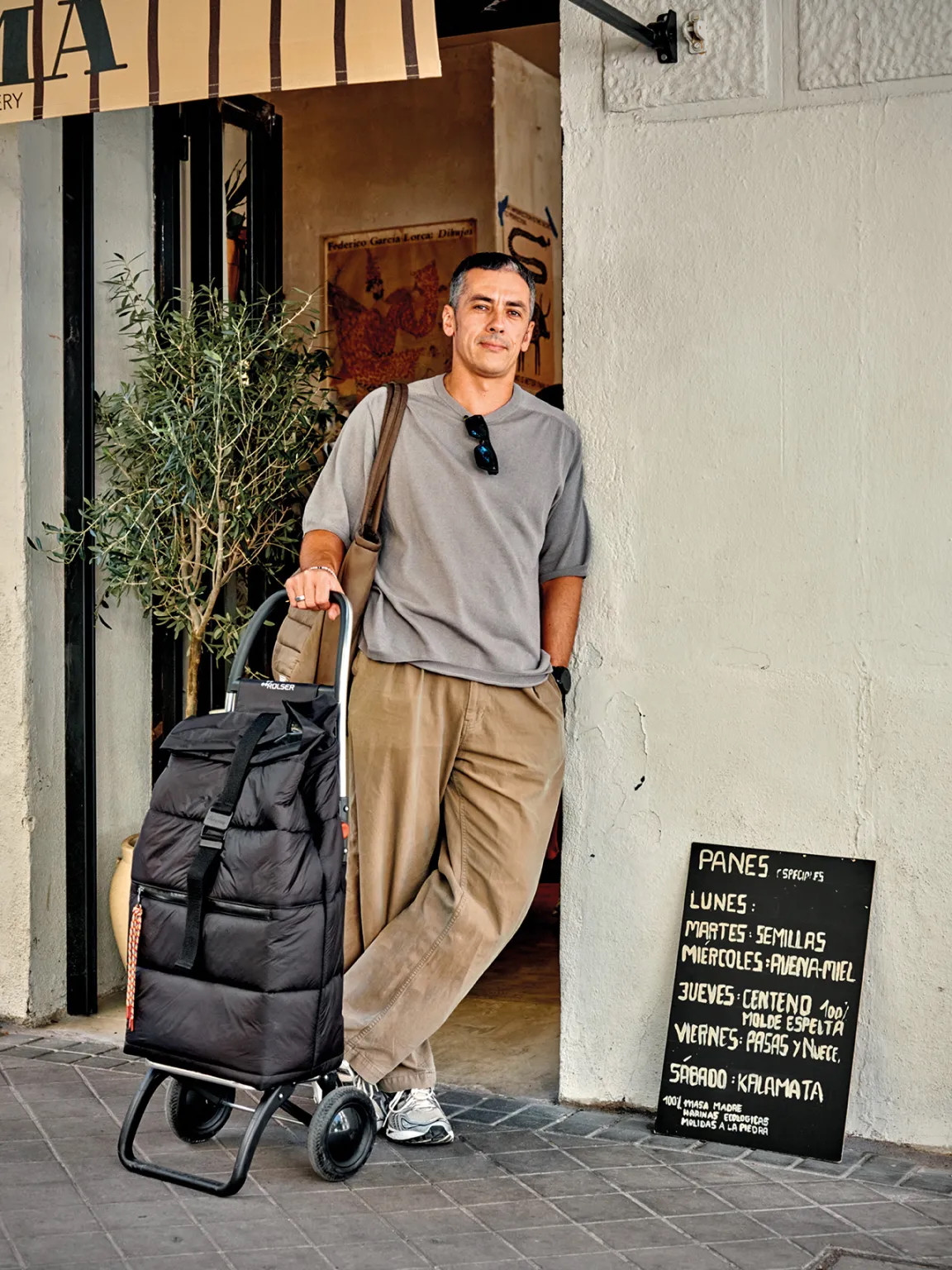
And for it, they photographed a bunch of cool urbanites with their trolleys, and then asked them: What's in your Rolser? See above photo. Supposedly, or at least according to the company, about 63% of Spanish households have a Rolser in their house.

This is interesting. Because in my part of the world, the percentage would be low. In fact, there are stigmas around them. Many people associate grocery carts with elderly people and sometimes with people who can't afford a car. But that's the wrong way to think about this bag.

It's actually a built environment association. The correct framing is: Are you urban enough to be able to use one? Because they're very common throughout Europe. Here, for example, is Paris, where they're called a chariot de courses or a sac à roulettes.

All of this has me thinking two things. One, our household is overdue for one. And two, this is an opportunity. These are utilitarian and often stigmatized objects that could very easily be reframed into a lifestyle design object for urban cities around the world. (Though, to be fair, the Rolser pictured above looks pretty good.)

The only prerequisite is a walkable urban environment. Maybe it's time that Globizen gets into the city roller business. Or maybe one of you can just run with this idea and then I can buy one.

Photo: Monocle


Sent via Paragraph

Web3 writing & publishing

2010 El Camino Real Office 2350

Santa Clara, CA 95050

You're receiving this because you subscribed to this newsletter.

Unsubscribe or Manage Preferences

Sunday, 24 August 2025

The urban swimming renaissance

Cities like Copenhagen, Zurich and many others have, of course, long been pioneers when it comes getting people into natural waterways. But this summer we notably saw the fruits of Paris' €1.6 billion investment to clean up the Seine ahead of the Olympic Games. And so very quickly, it is becoming clear that this is becoming one of the hallmarks of the world's most livable cities. How clean is your water and do you enable your citizens to easily swim in it? It's for this reason that earlier in...  ‌ ‌ ‌ ‌ ‌ ‌ ‌ ‌ ‌ ‌ ‌ ‌ ‌ ‌ ‌ ‌ ‌ ‌ ‌ ‌ ‌ ‌ ‌ ‌ ‌  ‌ ‌ ‌ ‌ ‌ ‌ ‌ ‌ ‌ ‌ ‌ ‌ ‌ ‌ ‌ ‌ ‌ ‌ ‌ ‌ ‌ ‌ ‌ ‌ ‌  ‌ ‌ ‌ ‌ ‌ ‌ ‌ ‌ ‌ ‌ ‌ ‌ ‌ ‌ ‌ ‌ ‌ ‌ ‌ ‌ ‌ ‌ ‌ ‌ ‌  ‌ ‌ ‌ ‌ ‌ ‌ ‌ ‌ ‌ ‌ ‌ ‌ ‌ ‌ ‌ ‌ ‌ ‌ ‌ ‌ ‌ ‌ ‌ ‌ ‌  ‌ ‌ ‌ ‌ ‌ ‌ ‌ ‌ ‌ ‌ ‌ ‌ ‌ ‌ ‌ ‌ ‌ ‌ ‌ ‌ ‌ ‌ ‌ ‌ ‌  ‌ ‌ ‌ ‌ ‌ ‌ ‌ ‌ ‌ ‌ ‌ ‌ ‌ ‌ ‌ ‌ ‌ ‌ ‌ ‌ ‌ ‌ ‌ ‌ ‌ 

The urban swimming renaissance

Brandon Donnelly

Cities like Copenhagen, Zurich and many others have, of course, long been pioneers when it comes getting people into natural waterways. But this summer we notably saw the fruits of Paris' €1.6 billion investment to clean up the Seine ahead of the Olympic Games. And so very quickly, it is becoming clear that this is becoming one of the hallmarks of the world's most livable cities. How clean is your water and do you enable your citizens to easily swim in it?

It's for this reason that earlier in the summer I wrote a post titled "Toronto needs a summer bathing culture." It was not to suggest that nobody swims in our bodies of water — lots of people do — it was to argue that there's more we could be doing. Sunnyside Bathing Pavilion, to give just one example, feels like a century-old abandoned relic sitting on prime beachfront.

Some of you seemed to take offence to this post, suggesting that I should maybe get out and swim in some of our outdoor pools, like the one at Sunnyside. And I can assure you that I have. I'm a regular swimmer in the public pools of Toronto. But that is not what this urban swimming renaissance is about: "Contrary to popular belief, or simply a fair assumption, a lido does not a swimmable city make."

What this is about is free, easy access to natural bodies of water. And what makes this livability feature so meaningful is that it's both an urban amenity and clear evidence that a city has their shit together (pun intended). It means the city has high standards for water quality and that it manages its sewage in a way that doesn't pollute its waterways.

Summer isn't over yet, so if you live in a place where this is possible, go for a swim. And if you'd like to become more involved in this movement, check out The Swimmable Cities alliance. Launched on the eve of the Paris Olympics, it is now a global community dedicated to transforming our urban waterways. There is also the option for organizations to become signatories. Globizen has just applied to be one, and maybe you'd like to do the same.

Photo: Helsinki by Kuvio


Sent via Paragraph

Web3 writing & publishing

2010 El Camino Real Office 2350

Santa Clara, CA 95050

You're receiving this because you subscribed to this newsletter.

Unsubscribe or Manage Preferences

The case for elevated rail

There is a school of thought that elevated rail is bad, or at least suboptimal, for cities. The thinking is that it's a visual blight, i...