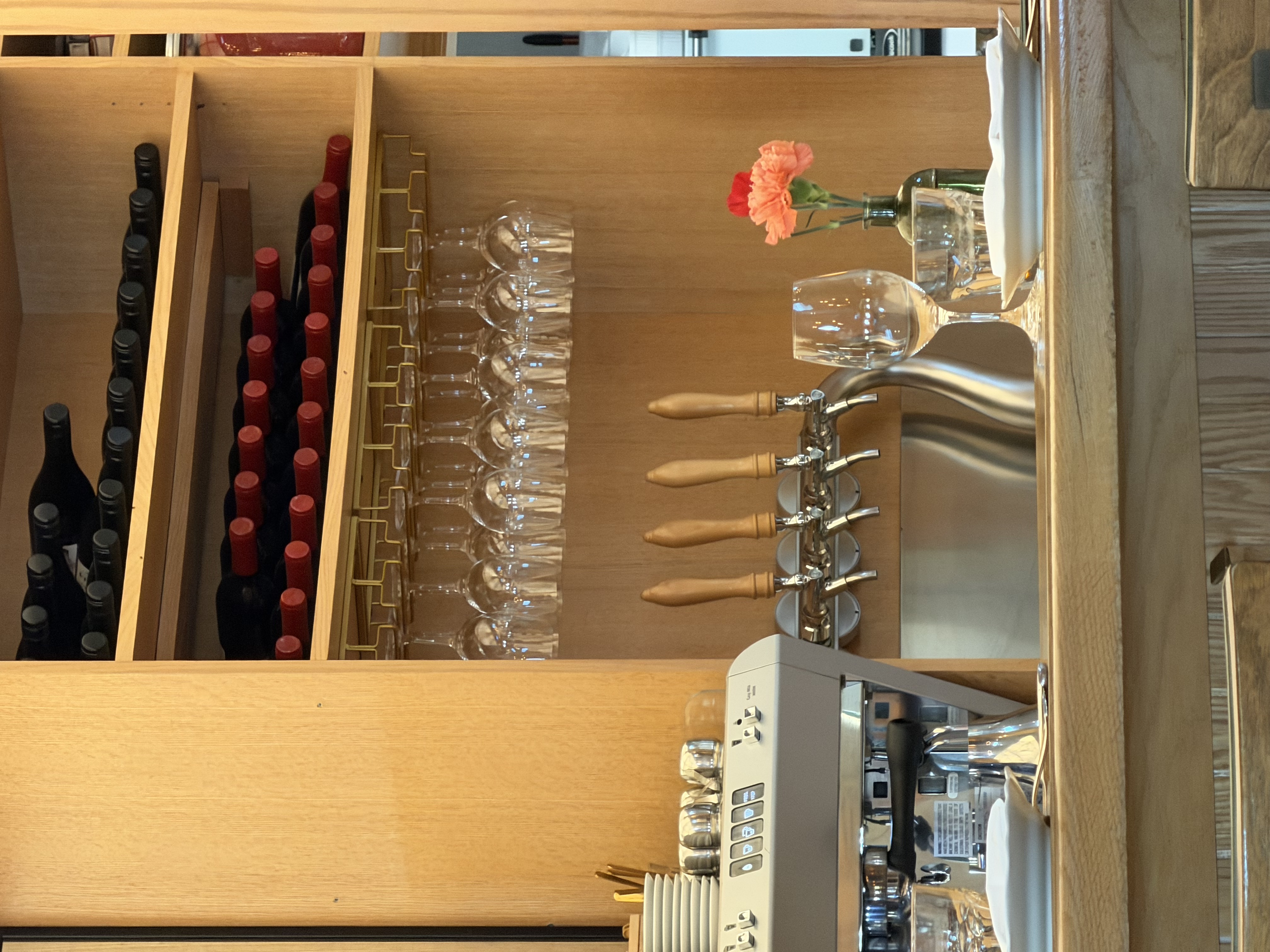
Friday, 31 October 2025

The slow march back to small-scale neighbourhood retail

A decision on legalizing small businesses like cafés and corner stores in the interior of Toronto's neighbourhoods — under a framework city planners had winnowed down since last year in the face of heavy opposition from residents' associations — has once again been punted into the future. At Toronto's Planning and Housing committee on Thursday, officials decided to defer a decision on allowing more small businesses in neighbourhood interiors, instead green-lighting changes only alo...  ‌ ‌ ‌ ‌ ‌ ‌ ‌ ‌ ‌ ‌ ‌ ‌ ‌ ‌ ‌ ‌ ‌ ‌ ‌ ‌ ‌ ‌ ‌ ‌ ‌  ‌ ‌ ‌ ‌ ‌ ‌ ‌ ‌ ‌ ‌ ‌ ‌ ‌ ‌ ‌ ‌ ‌ ‌ ‌ ‌ ‌ ‌ ‌ ‌ ‌  ‌ ‌ ‌ ‌ ‌ ‌ ‌ ‌ ‌ ‌ ‌ ‌ ‌ ‌ ‌ ‌ ‌ ‌ ‌ ‌ ‌ ‌ ‌ ‌ ‌  ‌ ‌ ‌ ‌ ‌ ‌ ‌ ‌ ‌ ‌ ‌ ‌ ‌ ‌ ‌ ‌ ‌ ‌ ‌ ‌ ‌ ‌ ‌ ‌ ‌  ‌ ‌ ‌ ‌ ‌ ‌ ‌ ‌ ‌ ‌ ‌ ‌ ‌ ‌ ‌ ‌ ‌ ‌ ‌ ‌ ‌ ‌ ‌ ‌ ‌  ‌ ‌ ‌ ‌ ‌ ‌ ‌ ‌ ‌ ‌ ‌ ‌ ‌ ‌ ‌ ‌ ‌ ‌ ‌ ‌ ‌ ‌ ‌ ‌ ‌ 

The slow march back to small-scale neighbourhood retail

Brandon Donnelly

Baby steps:

A decision on legalizing small businesses like cafés and corner stores in the interior of Toronto's neighbourhoods — under a framework city planners had winnowed down since last year in the face of heavy opposition from residents' associations — has once again been punted into the future.

At Toronto's Planning and Housing committee on Thursday, officials decided to defer a decision on allowing more small businesses in neighbourhood interiors, instead green-lighting changes only along major streets and to the rules for home-based businesses, which still require final approval from city council.

Planning changes always seem to happen slowly, painfully, and incrementally. I remember giving presentations on laneway housing back in 2013-2014, and I would always say "this is inevitable — it's a question of when, not if."

At the time, this felt like a bold statement because it was nearly impossible to get a laneway house approved. You had to be cunning, willing to fight for years and, even then, you might not be successful. Now they're permitted as-of-right and they, frankly, no longer feel novel. They're just something we do around here.

Of course, the same will eventually be true of small-scale neighbourhood retail. Especially because it was what we used to do before we created rules against it. But as always, things happen slowly, painfully, and incrementally.

If you'd like to download the proposed Major Streets Zoning By-law Amendment, click here, and if you'd like to download the proposed Home Occupations Zoning By-law Amendment, click here.

Cover photo by Dan Burton on Unsplash


Sent via Paragraph

Web3 writing & publishing

2010 El Camino Real Office 2350

Santa Clara, CA 95050

You're receiving this because you subscribed to this newsletter.

Unsubscribe or Manage Preferences

Thursday, 30 October 2025

Rizzo's House of Parm

About 35 minutes south of Project Bench is a waterfront community on Lake Erie called Crystal Beach. And within Crystal Beach is a restaurant owned by celebrity chef Matty Matheson called Rizzo's House of Parm. This is a Niagara Region restaurant that has been on our team's list since it opened in 2022, but we've just never been able to make it work — until yesterday. If you're in the mood for some Italian-American comfort food and are somewhat proximate, I would definitely recommend it. The ...  ‌ ‌ ‌ ‌ ‌ ‌ ‌ ‌ ‌ ‌ ‌ ‌ ‌ ‌ ‌ ‌ ‌ ‌ ‌ ‌ ‌ ‌ ‌ ‌ ‌  ‌ ‌ ‌ ‌ ‌ ‌ ‌ ‌ ‌ ‌ ‌ ‌ ‌ ‌ ‌ ‌ ‌ ‌ ‌ ‌ ‌ ‌ ‌ ‌ ‌  ‌ ‌ ‌ ‌ ‌ ‌ ‌ ‌ ‌ ‌ ‌ ‌ ‌ ‌ ‌ ‌ ‌ ‌ ‌ ‌ ‌ ‌ ‌ ‌ ‌  ‌ ‌ ‌ ‌ ‌ ‌ ‌ ‌ ‌ ‌ ‌ ‌ ‌ ‌ ‌ ‌ ‌ ‌ ‌ ‌ ‌ ‌ ‌ ‌ ‌  ‌ ‌ ‌ ‌ ‌ ‌ ‌ ‌ ‌ ‌ ‌ ‌ ‌ ‌ ‌ ‌ ‌ ‌ ‌ ‌ ‌ ‌ ‌ ‌ ‌  ‌ ‌ ‌ ‌ ‌ ‌ ‌ ‌ ‌ ‌ ‌ ‌ ‌ ‌ ‌ ‌ ‌ ‌ ‌ ‌ ‌ ‌ ‌ ‌ ‌ 

Rizzo's House of Parm

Brandon Donnelly

About 35 minutes south of Project Bench is a waterfront community on Lake Erie called Crystal Beach. And within Crystal Beach is a restaurant owned by celebrity chef Matty Matheson called Rizzo's House of Parm. This is a Niagara Region restaurant that has been on our team's list since it opened in 2022, but we've just never been able to make it work — until yesterday.

If you're in the mood for some Italian-American comfort food and are somewhat proximate, I would definitely recommend it. The food is solid, the portions make me happy, and the place has a great overall vibe. But here's what I would also say: you don't need to make a special drive from Toronto. Save that for you know what.


Sent via Paragraph

Web3 writing & publishing

2010 El Camino Real Office 2350

Santa Clara, CA 95050

You're receiving this because you subscribed to this newsletter.

Unsubscribe or Manage Preferences

Wednesday, 29 October 2025

Does quality of life have to decline as a city grows?

When it comes to cities, quality of life is a subjective measure. Some people may prefer a small city where homes are more affordable and commute times are negligible, while others may find the unique amenities of a big city more appealing — enough to outweigh the negatives. Whatever the exact case, there are some obvious negatives that come with urban scale. The usual suspects are high housing costs, traffic congestion, noise and pollution, crime and safety concerns, and the list goes on. Bu...  ‌ ‌ ‌ ‌ ‌ ‌ ‌ ‌ ‌ ‌ ‌ ‌ ‌ ‌ ‌ ‌ ‌ ‌ ‌ ‌ ‌ ‌ ‌ ‌ ‌  ‌ ‌ ‌ ‌ ‌ ‌ ‌ ‌ ‌ ‌ ‌ ‌ ‌ ‌ ‌ ‌ ‌ ‌ ‌ ‌ ‌ ‌ ‌ ‌ ‌  ‌ ‌ ‌ ‌ ‌ ‌ ‌ ‌ ‌ ‌ ‌ ‌ ‌ ‌ ‌ ‌ ‌ ‌ ‌ ‌ ‌ ‌ ‌ ‌ ‌  ‌ ‌ ‌ ‌ ‌ ‌ ‌ ‌ ‌ ‌ ‌ ‌ ‌ ‌ ‌ ‌ ‌ ‌ ‌ ‌ ‌ ‌ ‌ ‌ ‌  ‌ ‌ ‌ ‌ ‌ ‌ ‌ ‌ ‌ ‌ ‌ ‌ ‌ ‌ ‌ ‌ ‌ ‌ ‌ ‌ ‌ ‌ ‌ ‌ ‌  ‌ ‌ ‌ ‌ ‌ ‌ ‌ ‌ ‌ ‌ ‌ ‌ ‌ ‌ ‌ ‌ ‌ ‌ ‌ ‌ ‌ ‌ ‌ ‌ ‌ 

Does quality of life have to decline as a city grows?

Brandon Donnelly

When it comes to cities, quality of life is a subjective measure. Some people may prefer a small city where homes are more affordable and commute times are negligible, while others may find the unique amenities of a big city more appealing — enough to outweigh the negatives.

Whatever the exact case, there are some obvious negatives that come with urban scale. The usual suspects are high housing costs, traffic congestion, noise and pollution, crime and safety concerns, and the list goes on. But is it universally true that quality of life has to decline as a city grows?

I don't think so at all. I wasn't able to find a good primary source on this topic, but the obvious example and outlier that comes to mind is Tokyo. It is both the largest metropolitan area in the world and a city that consistently ranks near the top of most quality of life indices.

So how do they do it?

There are lots of ingredients that go into a city like Tokyo, but I would argue that one of if not its most important, is its transit network. Tokyo has one of the highest rail modal splits and one of the lowest driving rates in the world. And it's the only way a city of this scale could actually function as efficiently as it does.

This is not me being an ideologue (which I am sometimes called); it is me being a pragmatist. Show me a big global city with more than 10 million people that is oriented around the car and does not have a traffic congestion problem, and I'll happily change my mind.

Cover photo by Leongsan on Unsplash


Sent via Paragraph

Web3 writing & publishing

2010 El Camino Real Office 2350

Santa Clara, CA 95050

You're receiving this because you subscribed to this newsletter.

Unsubscribe or Manage Preferences

Tuesday, 28 October 2025

Rivian spinoff Also introduces flagship e-bike

Rivian makes electric vehicles designed for adventure. But in addition to this (I'm deliberately avoiding the word also), they've just spun out another company called Also, which makes e-bikes, quads, and other mobility products. This month, they revealed their new flagship product called the TM-B (transcendent mobile - bike). If you can't see the embedded video above, click here. I'm not sure how big the market will be for a US$4,500 e-bike, at least in the short term, but the tech seems pre...  ‌ ‌ ‌ ‌ ‌ ‌ ‌ ‌ ‌ ‌ ‌ ‌ ‌ ‌ ‌ ‌ ‌ ‌ ‌ ‌ ‌ ‌ ‌ ‌ ‌  ‌ ‌ ‌ ‌ ‌ ‌ ‌ ‌ ‌ ‌ ‌ ‌ ‌ ‌ ‌ ‌ ‌ ‌ ‌ ‌ ‌ ‌ ‌ ‌ ‌  ‌ ‌ ‌ ‌ ‌ ‌ ‌ ‌ ‌ ‌ ‌ ‌ ‌ ‌ ‌ ‌ ‌ ‌ ‌ ‌ ‌ ‌ ‌ ‌ ‌  ‌ ‌ ‌ ‌ ‌ ‌ ‌ ‌ ‌ ‌ ‌ ‌ ‌ ‌ ‌ ‌ ‌ ‌ ‌ ‌ ‌ ‌ ‌ ‌ ‌  ‌ ‌ ‌ ‌ ‌ ‌ ‌ ‌ ‌ ‌ ‌ ‌ ‌ ‌ ‌ ‌ ‌ ‌ ‌ ‌ ‌ ‌ ‌ ‌ ‌  ‌ ‌ ‌ ‌ ‌ ‌ ‌ ‌ ‌ ‌ ‌ ‌ ‌ ‌ ‌ ‌ ‌ ‌ ‌ ‌ ‌ ‌ ‌ ‌ ‌ 

Rivian spinoff Also introduces flagship e-bike

Brandon Donnelly

Rivian makes electric vehicles designed for adventure. But in addition to this (I'm deliberately avoiding the word also), they've just spun out another company called Also, which makes e-bikes, quads, and other mobility products. This month, they revealed their new flagship product called the TM-B (transcendent mobile - bike). If you can't see the embedded video above, click here.

I'm not sure how big the market will be for a US$4,500 e-bike, at least in the short term, but the tech seems pretty awesome. And I think the bigger deal here is that this is now a well-funded company focused on "form factors that are all sub-car." Rivian is a car company, but they recognize that to really drive sustainability into our transportation networks, we need to also think beyond the car.

Cover photo: Also


Sent via Paragraph

Web3 writing & publishing

2010 El Camino Real Office 2350

Santa Clara, CA 95050

You're receiving this because you subscribed to this newsletter.

Unsubscribe or Manage Preferences

Monday, 27 October 2025

Exactly how impossible is a dense, urban Toronto?

Back in the summer, I wrote about the publication Impossible Toronto that my friends Gabriel Fain, Francesco Valente-Gorjup, and Aleris Rodgers authored for the Neptis Foundation. (If you'd like to purchase a copy of the book, you can now do that online here.) And this past weekend, Alex Bozikovic of The Globe and Mail wrote about it in an article called, "A dense, urban Canada? It's possible." Here's an excerpt:The formula is simple: Replace century-old houses in the middle of the city with ...  ‌ ‌ ‌ ‌ ‌ ‌ ‌ ‌ ‌ ‌ ‌ ‌ ‌ ‌ ‌ ‌ ‌ ‌ ‌ ‌ ‌ ‌ ‌ ‌ ‌  ‌ ‌ ‌ ‌ ‌ ‌ ‌ ‌ ‌ ‌ ‌ ‌ ‌ ‌ ‌ ‌ ‌ ‌ ‌ ‌ ‌ ‌ ‌ ‌ ‌  ‌ ‌ ‌ ‌ ‌ ‌ ‌ ‌ ‌ ‌ ‌ ‌ ‌ ‌ ‌ ‌ ‌ ‌ ‌ ‌ ‌ ‌ ‌ ‌ ‌  ‌ ‌ ‌ ‌ ‌ ‌ ‌ ‌ ‌ ‌ ‌ ‌ ‌ ‌ ‌ ‌ ‌ ‌ ‌ ‌ ‌ ‌ ‌ ‌ ‌  ‌ ‌ ‌ ‌ ‌ ‌ ‌ ‌ ‌ ‌ ‌ ‌ ‌ ‌ ‌ ‌ ‌ ‌ ‌ ‌ ‌ ‌ ‌ ‌ ‌  ‌ ‌ ‌ ‌ ‌ ‌ ‌ ‌ ‌ ‌ ‌ ‌ ‌ ‌ ‌ ‌ ‌ ‌ ‌ ‌ ‌ ‌ ‌ ‌ ‌ 

Exactly how impossible is a dense, urban Toronto?

Brandon Donnelly

Back in the summer, I wrote about the publication Impossible Toronto that my friends Gabriel Fain, Francesco Valente-Gorjup, and Aleris Rodgers authored for the Neptis Foundation. (If you'd like to purchase a copy of the book, you can now do that online here.) And this past weekend, Alex Bozikovic of The Globe and Mail wrote about it in an article called, "A dense, urban Canada? It's possible."

Here's an excerpt:

The formula is simple: Replace century-old houses in the middle of the city with courtyard blocks – apartment buildings of four to six storeys, lined up side by side along the street and leaving a doughnut-hole of green. Their apartments have windows facing both the street and a green space at the centre of the block. Such buildings make up the fabric of many Western European cities.

Yet they are impossible to build in Canada for a variety of regulatory reasons. Most important: Our building codes require every apartment to have two separate exit stairs. If you eliminate that rule and follow the lead of Switzerland and Germany (two officious, safety-conscious states), everything changes. Buildings become much less bulky. Apartments gain light and fresh air in every room. Homes become more square, with better layouts and better rooms. This means a dramatic improvement in residents' quality of life.

Alex is exactly right that required exiting is a major hindrance to the housing type proposed in Impossible Toronto. We talk a lot about this on the blog, and as an industry. But big picture, it is only one item in a long list of things that will need to change if we actually want to emulate the housing types that are typical of most Western European cities.

My contribution to Impossible Toronto was a handful of high-level development pro formas (pages 94-95). I was asked to model what is permissible today under the new "Expanding Housing Options in Neighbourhoods" (EHON) policies, and then model the Impossible Toronto typology. Finally, we decided to toggle this second pro forma to show what it would take to make it financially feasible, including removing things like development charges and site plan control.

It's important to point out that our current EHON permissions — which support as-of-right 6 storey apartments on all major streets — are already challenging to underwrite and have not yet been proven to work at scale. The starting problem is that developers need to be able to arrive at a residual land value that is greater than the as-is value of what's there today — usually that's a single-family home in the case of the EHON policies.

This can happen in two ways. Developers need to be able to get enough density to justify a higher land value and/or the development cost structure needs to be low enough that enough value can be attributed to the land. This is where things like single-stair buildings come into play. They allow for more efficient designs, which help with project viability on a few different dimensions.

Without a viable acquisition, housing projects do not start. So in my view, we need to attack this impossible problem from two sides. First, as-of-right densities need to translate into land values that are greater than the status quo. This is what will motivate landowners to sell. Second, the end result needs to be high-quality livable housing that as many people as possible can afford.

If we can achieve these two outcomes, then we have a chance to not only make the impossible, possible, but we have a chance to scale it across Toronto and Canada.

Cover photo by Aditya Chinchure on Unsplash


Sent via Paragraph

Web3 writing & publishing

2010 El Camino Real Office 2350

Santa Clara, CA 95050

You're receiving this because you subscribed to this newsletter.

Unsubscribe or Manage Preferences

Sunday, 26 October 2025

How to make mixed-use the default in residential neighborhoods

Brandon Donnelly @donnelly_b Imagine mixed-use was the default zoning designation and you could start whatever business you wanted on the ground floor of your home. 123 11:57 AM • Oct 24, 2025 Over the years, we've spoken a lot about the benefits of cities permitting small-scale commercial uses in residential neighborhoods. They increase overall urban vibrancy. They promote local consumption (reducing the need for people to do things like drive). And they can help reduce the barriers to entry...  ‌ ‌ ‌ ‌ ‌ ‌ ‌ ‌ ‌ ‌ ‌ ‌ ‌ ‌ ‌ ‌ ‌ ‌ ‌ ‌ ‌ ‌ ‌ ‌ ‌  ‌ ‌ ‌ ‌ ‌ ‌ ‌ ‌ ‌ ‌ ‌ ‌ ‌ ‌ ‌ ‌ ‌ ‌ ‌ ‌ ‌ ‌ ‌ ‌ ‌  ‌ ‌ ‌ ‌ ‌ ‌ ‌ ‌ ‌ ‌ ‌ ‌ ‌ ‌ ‌ ‌ ‌ ‌ ‌ ‌ ‌ ‌ ‌ ‌ ‌  ‌ ‌ ‌ ‌ ‌ ‌ ‌ ‌ ‌ ‌ ‌ ‌ ‌ ‌ ‌ ‌ ‌ ‌ ‌ ‌ ‌ ‌ ‌ ‌ ‌  ‌ ‌ ‌ ‌ ‌ ‌ ‌ ‌ ‌ ‌ ‌ ‌ ‌ ‌ ‌ ‌ ‌ ‌ ‌ ‌ ‌ ‌ ‌ ‌ ‌  ‌ ‌ ‌ ‌ ‌ ‌ ‌ ‌ ‌ ‌ ‌ ‌ ‌ ‌ ‌ ‌ ‌ ‌ ‌ ‌ ‌ ‌ ‌ ‌ ‌ 

How to make mixed-use the default in residential neighborhoods

Brandon Donnelly

Over the years, we've spoken a lot about the benefits of cities permitting small-scale commercial uses in residential neighborhoods.

They increase overall urban vibrancy. They promote local consumption (reducing the need for people to do things like drive). And they can help reduce the barriers to entry for small businesses. These spaces tend to be more cost-effective and, in some cases, like here and here, they are spaces that the homeowner already owns.

But there are some important objections to consider. Perhaps the most common one is this: What happens if my neighbor opens a 24-hour taco stand next door? I'm fairly confident that I could single-handedly keep a taco stand in business if it opened up next to me — what an amenity — but I get the concern. It's a legitimate one.

In this part of the world, we have typically responded to this concern by restricting uses. We have thrown the baby out with the bathwater by saying, "Nope, restaurants aren't allowed, because there's a chance it could be a 24-hour taco stand and that might annoy people."

But there are alternatives.

Japan's land-use approach, for example, is (1) generally focused on what you can do (versus what you can't do) and (2) organized around intensity and nuisance. I've never developed in Japan and I don't know the exact nuances of their policy framework, but directionally I think it's an interesting way to moderate this land-use consideration.

An accountant who wants to hang a shingle is different from a coffee shop that's only open from 8am to 3pm (and doesn't have a commercial kitchen), and a coffee shop is different from Peggy Gou DJ'ing next door at an all-night taco bar. But they are all non-residential uses, and that makes them illegal in many/most residential neighborhoods.

Thinking in terms of an intensity gradient is one way to create more mixed-use communities, while at the same time respecting the local context.


Sent via Paragraph

Web3 writing & publishing

2010 El Camino Real Office 2350

Santa Clara, CA 95050

You're receiving this because you subscribed to this newsletter.

Unsubscribe or Manage Preferences

Saturday, 25 October 2025

Real estate is the tail of the dog

I like to think of real estate as a downstream industry. What I mean by this is that the demand for space — whether it be housing or office space — happens downstream from other underlying economic activities. For example, if someone creates a successful business and then hires a bunch of new employees, at least two things happen. The company now needs to consume more office space, and the employees of this successful company will likely demand more housing. Maybe they're relocating for this ...  ‌ ‌ ‌ ‌ ‌ ‌ ‌ ‌ ‌ ‌ ‌ ‌ ‌ ‌ ‌ ‌ ‌ ‌ ‌ ‌ ‌ ‌ ‌ ‌ ‌  ‌ ‌ ‌ ‌ ‌ ‌ ‌ ‌ ‌ ‌ ‌ ‌ ‌ ‌ ‌ ‌ ‌ ‌ ‌ ‌ ‌ ‌ ‌ ‌ ‌  ‌ ‌ ‌ ‌ ‌ ‌ ‌ ‌ ‌ ‌ ‌ ‌ ‌ ‌ ‌ ‌ ‌ ‌ ‌ ‌ ‌ ‌ ‌ ‌ ‌  ‌ ‌ ‌ ‌ ‌ ‌ ‌ ‌ ‌ ‌ ‌ ‌ ‌ ‌ ‌ ‌ ‌ ‌ ‌ ‌ ‌ ‌ ‌ ‌ ‌  ‌ ‌ ‌ ‌ ‌ ‌ ‌ ‌ ‌ ‌ ‌ ‌ ‌ ‌ ‌ ‌ ‌ ‌ ‌ ‌ ‌ ‌ ‌ ‌ ‌  ‌ ‌ ‌ ‌ ‌ ‌ ‌ ‌ ‌ ‌ ‌ ‌ ‌ ‌ ‌ ‌ ‌ ‌ ‌ ‌ ‌ ‌ ‌ ‌ ‌ 

Real estate is the tail of the dog

Brandon Donnelly

I like to think of real estate as a downstream industry. What I mean by this is that the demand for space — whether it be housing or office space — happens downstream from other underlying economic activities.

For example, if someone creates a successful business and then hires a bunch of new employees, at least two things happen. The company now needs to consume more office space, and the employees of this successful company will likely demand more housing. Maybe they're relocating for this new job, or maybe they just got a pay increase and now want to consume more housing.

Whatever the exact case, real estate is the tail of the dog, and the new and successful company is the dog itself. Sometimes real estate gets mistaken for the dog itself. Rising real estate values become a substitute (albeit a poor one) for genuine economic growth.

But this does nothing to help overall productivity and innovation. And eventually you'll need to find some bonafide dogs. That's why I think this recent op-ed (which was presented in partnership with Shopify) is an important one:

But nation-building isn't only cranes and concrete. It's also the builders who start companies and create new industries. If we want a prosperous future, Canada can't just be a place that builds big things; it has to be a place that builds new things. A Founder Nation.

Our growth challenge isn't just shovels in the ground. It's whether new businesses are forming, whether founders have the tools and freedom to scale, and whether our economy is dynamic enough to let tomorrow's builders outcompete yesterday's incumbents.

I couldn't agree more. We need to build — in every sense of the word. Over-indexing on real estate alone is not sustainable long term. And I say this as a real estate developer who makes a living from monetizing space.


Sent via Paragraph

Web3 writing & publishing

2010 El Camino Real Office 2350

Santa Clara, CA 95050

You're receiving this because you subscribed to this newsletter.

Unsubscribe or Manage Preferences

Friday, 24 October 2025

Traffic congestion isn't going away

Reece Martin tells it like it is in his recent post called, "Toronto: Congestion Isn't Going Away."If we want people to feel less congested, they are going to have to get out of cars — and sadly sometimes onto crowded transit, but at least on transit we have a fighting chance of building the capacity so that congestion isn't totally unbearable. The differential between the demand to use roads and the actual road space is so large that no matter what we do in the foreseeable future, the roads ...  ‌ ‌ ‌ ‌ ‌ ‌ ‌ ‌ ‌ ‌ ‌ ‌ ‌ ‌ ‌ ‌ ‌ ‌ ‌ ‌ ‌ ‌ ‌ ‌ ‌  ‌ ‌ ‌ ‌ ‌ ‌ ‌ ‌ ‌ ‌ ‌ ‌ ‌ ‌ ‌ ‌ ‌ ‌ ‌ ‌ ‌ ‌ ‌ ‌ ‌  ‌ ‌ ‌ ‌ ‌ ‌ ‌ ‌ ‌ ‌ ‌ ‌ ‌ ‌ ‌ ‌ ‌ ‌ ‌ ‌ ‌ ‌ ‌ ‌ ‌  ‌ ‌ ‌ ‌ ‌ ‌ ‌ ‌ ‌ ‌ ‌ ‌ ‌ ‌ ‌ ‌ ‌ ‌ ‌ ‌ ‌ ‌ ‌ ‌ ‌  ‌ ‌ ‌ ‌ ‌ ‌ ‌ ‌ ‌ ‌ ‌ ‌ ‌ ‌ ‌ ‌ ‌ ‌ ‌ ‌ ‌ ‌ ‌ ‌ ‌  ‌ ‌ ‌ ‌ ‌ ‌ ‌ ‌ ‌ ‌ ‌ ‌ ‌ ‌ ‌ ‌ ‌ ‌ ‌ ‌ ‌ ‌ ‌ ‌ ‌ 

Traffic congestion isn't going away

Brandon Donnelly

Reece Martin tells it like it is in his recent post called, "Toronto: Congestion Isn't Going Away."

If we want people to feel less congested, they are going to have to get out of cars — and sadly sometimes onto crowded transit, but at least on transit we have a fighting chance of building the capacity so that congestion isn't totally unbearable. The differential between the demand to use roads and the actual road space is so large that no matter what we do in the foreseeable future, the roads will always be busy, and even if we made it so that the auto fleet in the region barely grew at all (not going to happen), congestion would still be getting worse.

It's a perfect follow-up to my recent post about trains. And it's the reality we all need to accept if we are truly serious about managing congestion. It's time for some tough love, and for solutions over politics.


Sent via Paragraph

Web3 writing & publishing

2010 El Camino Real Office 2350

Santa Clara, CA 95050

You're receiving this because you subscribed to this newsletter.

Unsubscribe or Manage Preferences

The case for elevated rail

There is a school of thought that elevated rail is bad, or at least suboptimal, for cities. The thinking is that it's a visual blight, i...