
How should we plan for a world of ubiquitous data centers?

July 30, 2025
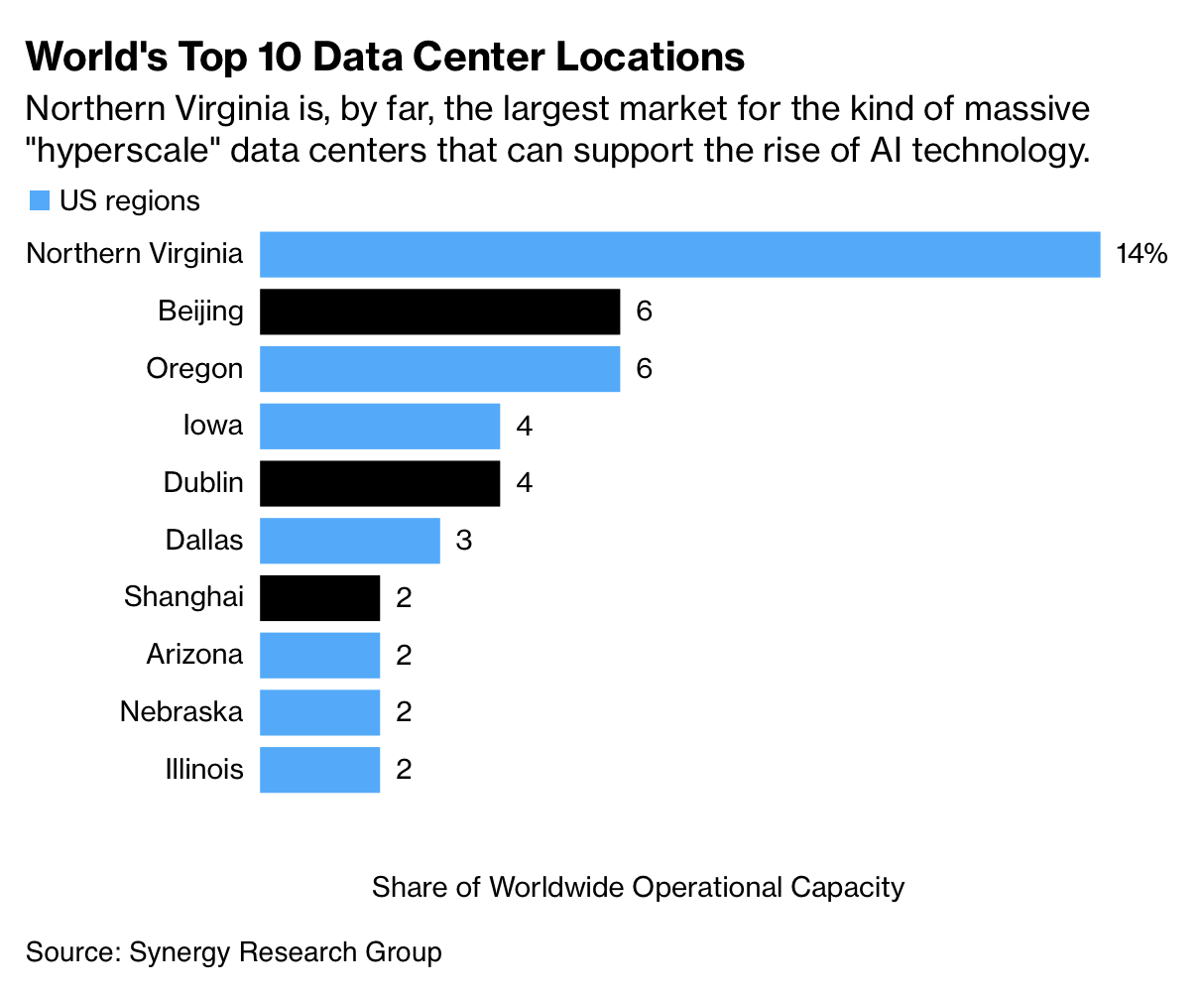
As you know, Northern Virginia is now referred to as "data center alley." It has, by far, the largest agglomeration of data centers in the world. The latest figures are somewhere around 200 completed facilities and some 49 million square feet, with a lot more in the pipeline.
Here's the global top 10 list via Bloomberg:
And here's a map of existing (blue) and proposed (purple) data centers via Loudoun County, Virginia:
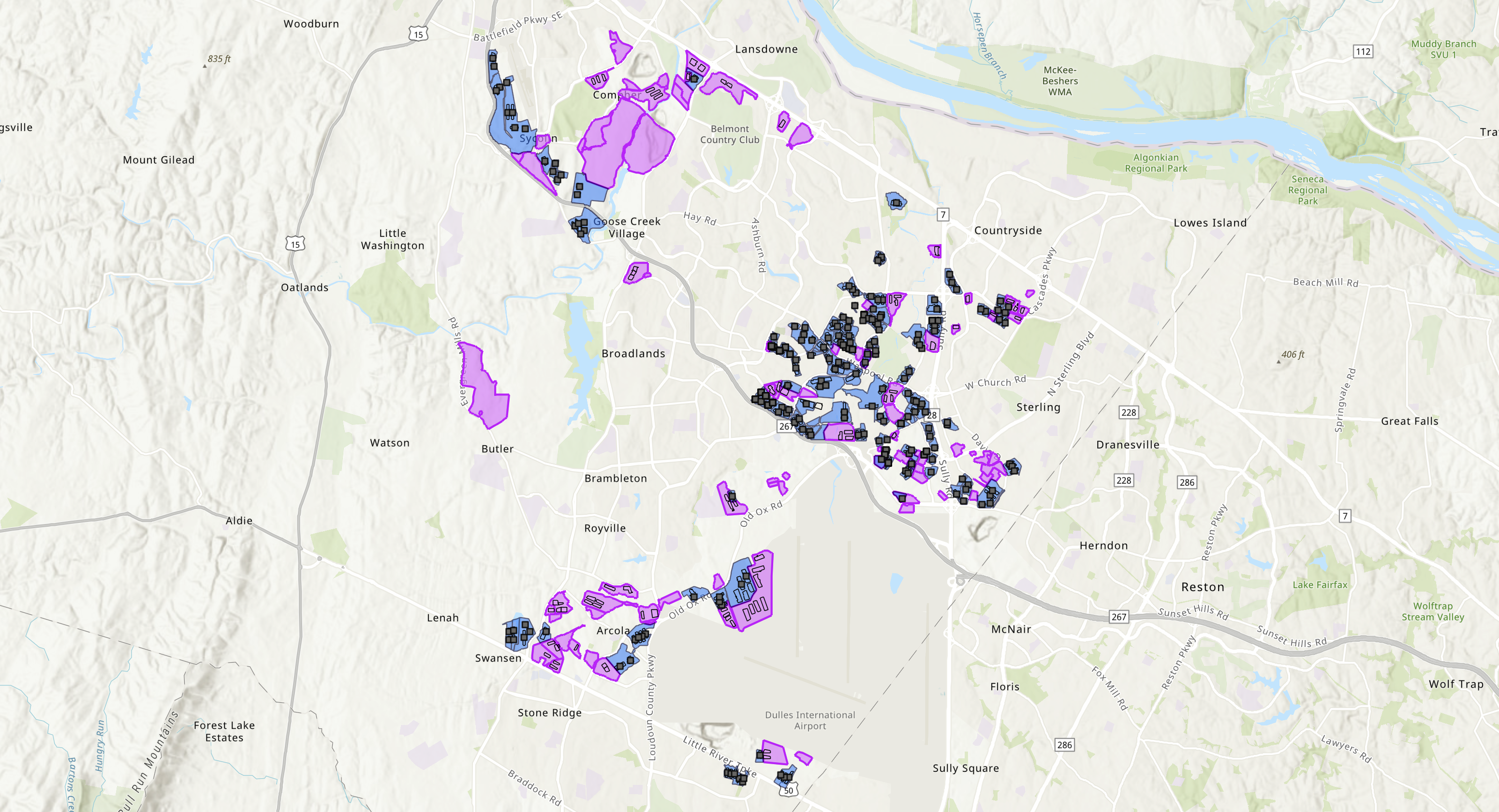
This has been an economic boon for Virginia. It's estimated that the data center industry contributes up to 74,000 jobs and $9.1 billion in GDP to the state each year. But along with these benefits come some trade-offs, one of which has to do with the region's built environment.
Here are two zoom-ins of an area to the west of Dulles International Airport:
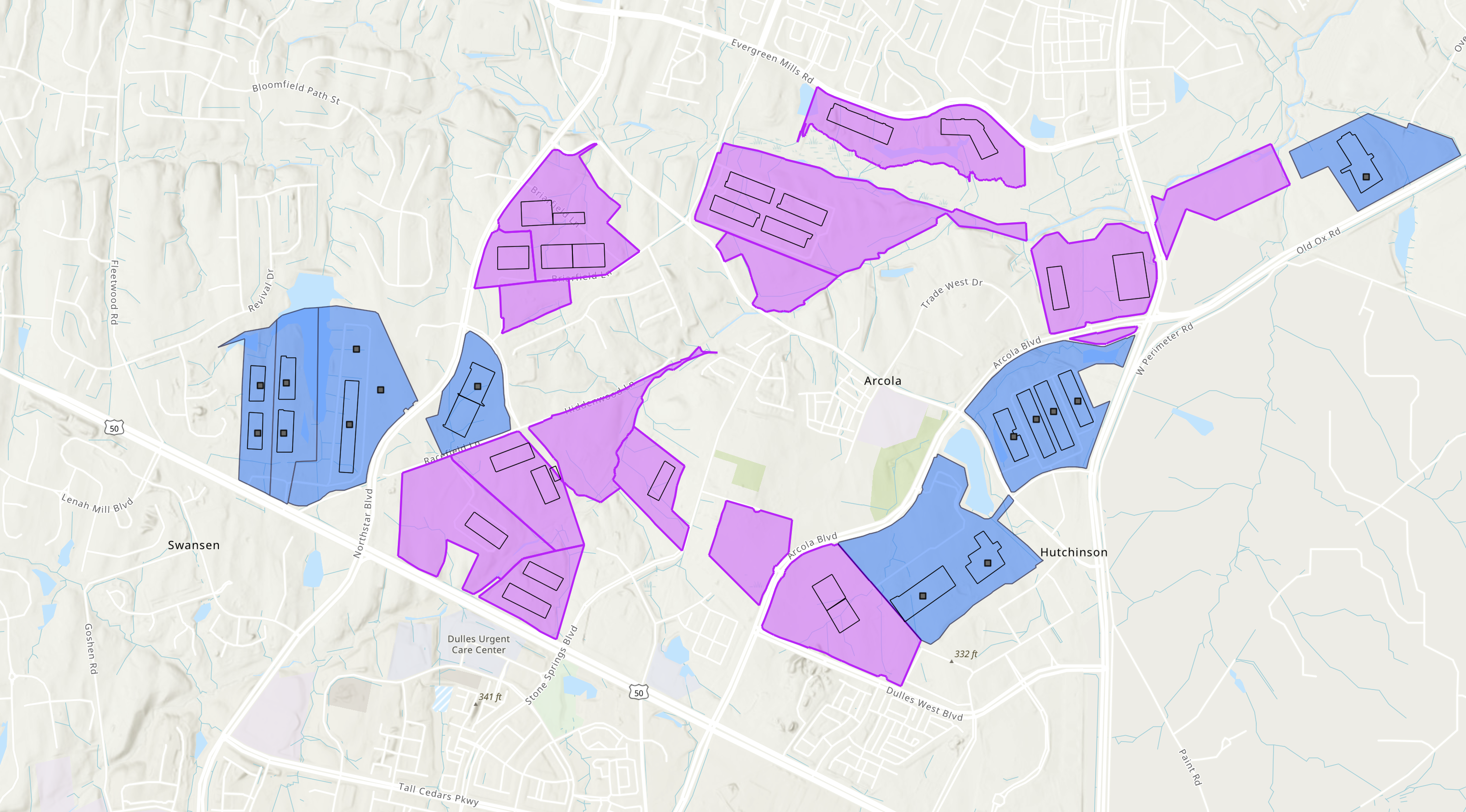
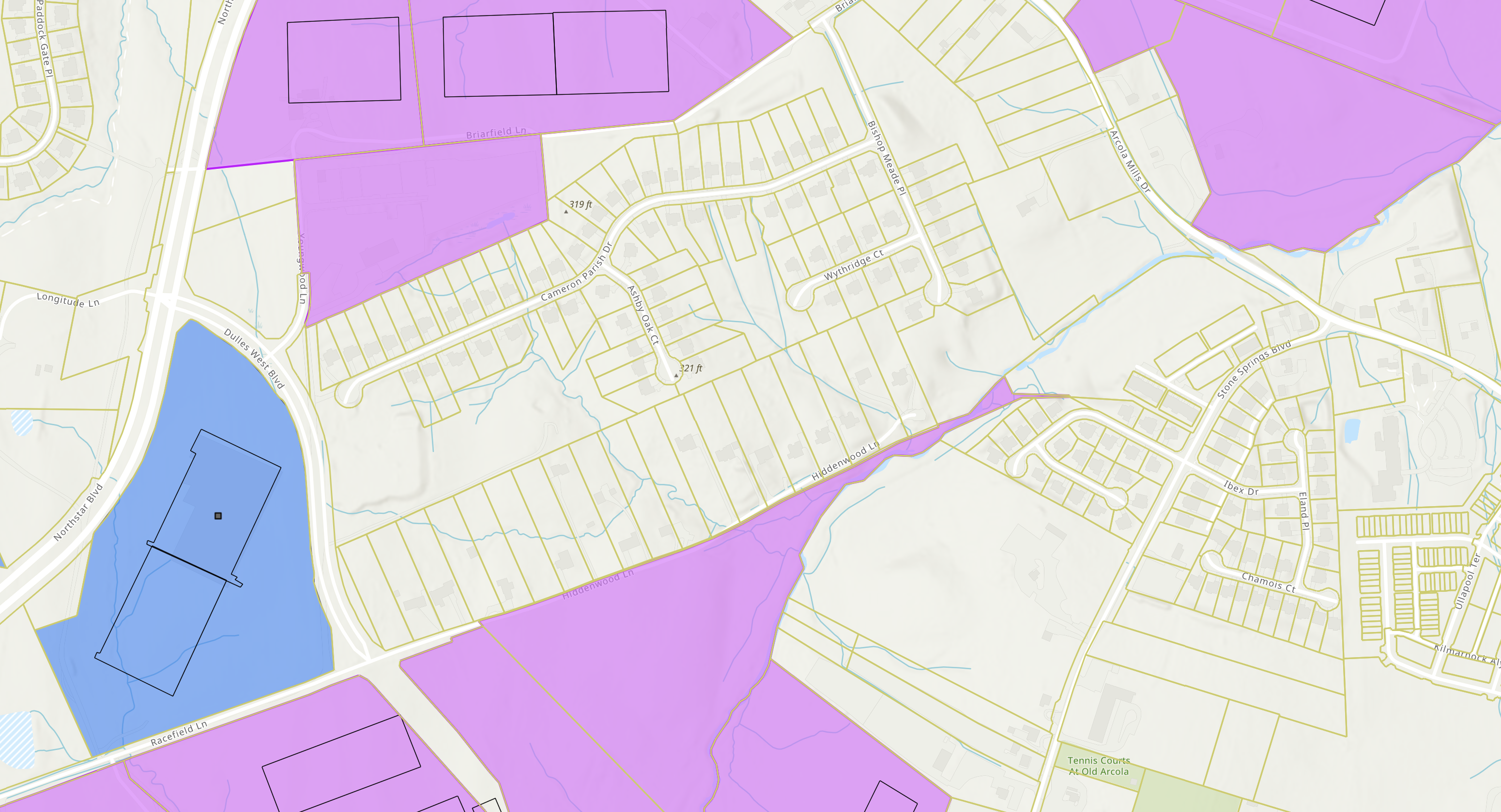
These maps raise a question that is only going to become more important as time goes on: What's the best way to insert large insular boxes into the fabric of a city or suburb? Of course, in some ways, this is not a new phenomenon. The suburbs are no stranger to this kind of built form.
But it's unique in that these boxes are not meant to be experienced in real life. They're a physical manifestation of our online activities, juxtaposed against our offline lives. It's two different worlds colliding. And already, it may be more appropriate to ask our question in the opposite direction: What's the best way to plan a city or suburb around data centers?


No comments:
Post a Comment