The energy-to-value equation

July 28, 2025
One traditional metric for measuring the performance of a company is revenue per employee. And in a knowledge-based economy, this makes a lot of sense. Human capital is often the biggest expense. But as we enter the age of AI, this is now being called into question.
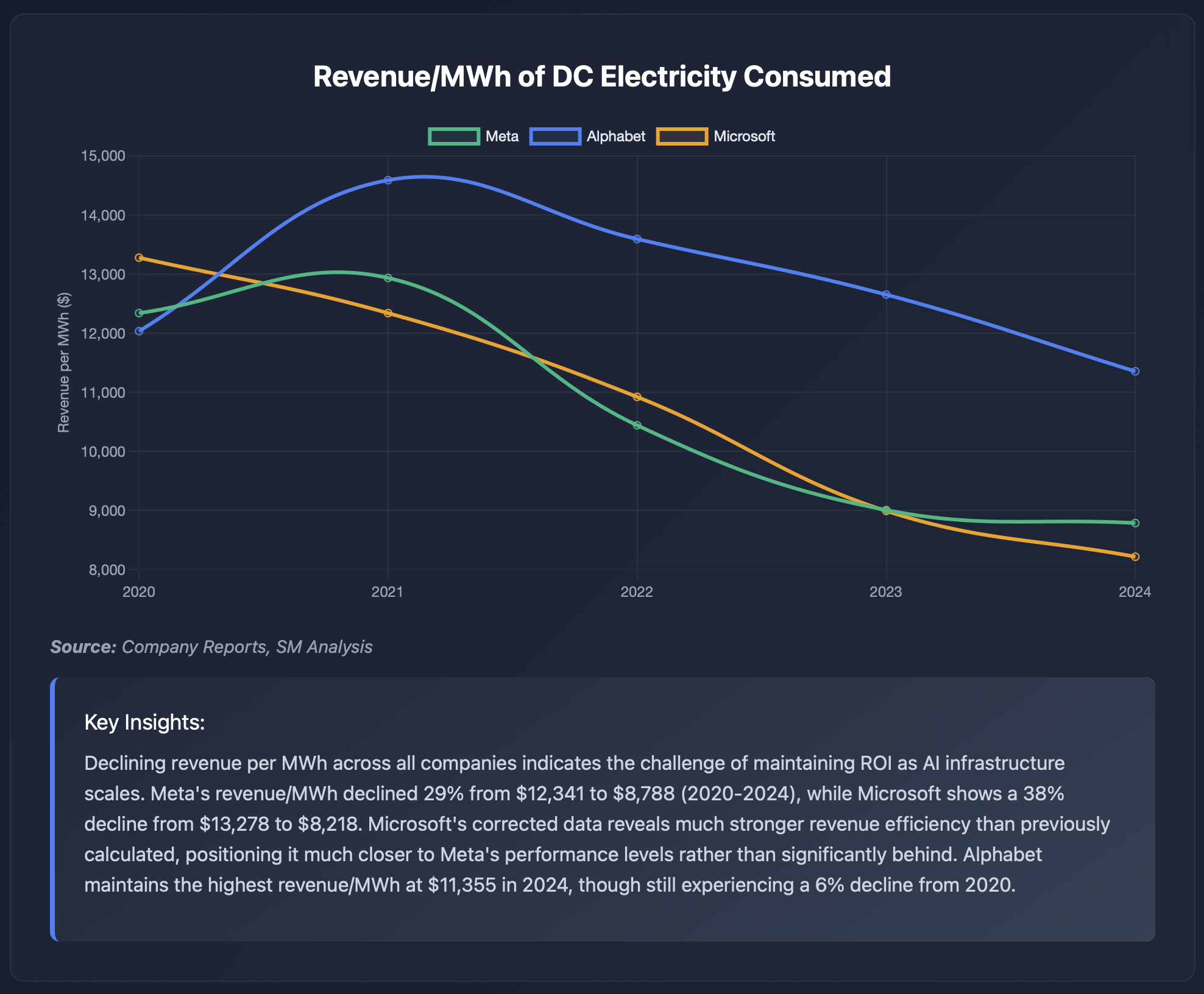
Sara Menker has, for example, proposed a new metric: revenue per MWh. (See above comparing Meta, Alphabet, and Microsoft.) This is meant to reflect the fact that, as AI infrastructure scales, it is likely that operating costs in the future will be dominated by electricity consumption, rather than employee count.
Naturally, this should make you wonder about a few things, namely: How will we manage the inequality that might (or will) arise from the decoupling of revenues from employees? And how are we going to sustainability supply this rapidly growing need for more and more electricity?
Albert Wenger argues that the comparable metric for nations will be GDP per GWh. This means that, to win, you're going to want cheap electricity. And as I understand it, the cheapest sources are wind, solar, and hydropower. This bodes well for Canada given that we dominate in the latter.
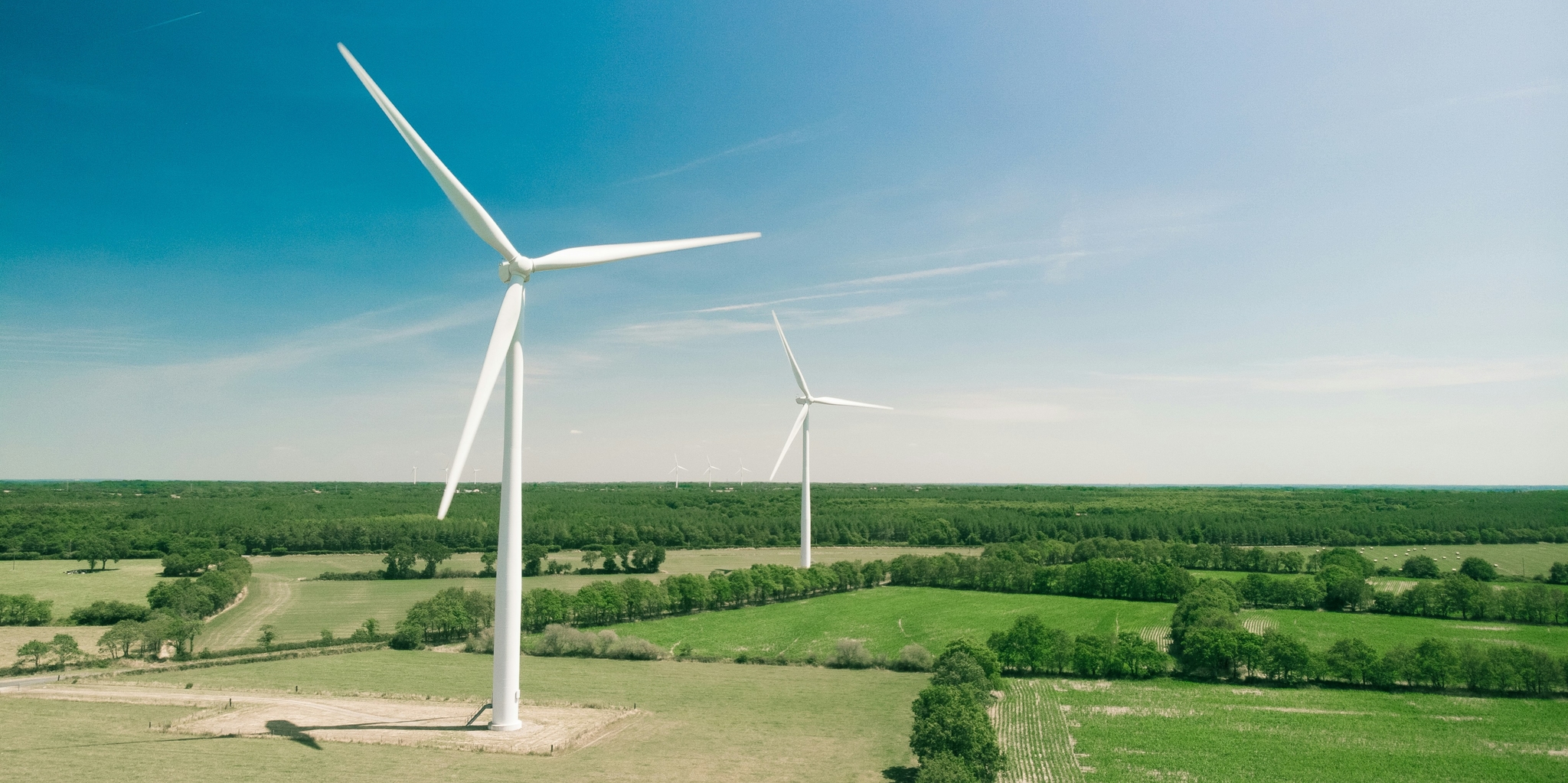
Cover photo by Thomas Reaubourg on Unsplash


No comments:
Post a Comment